Results and Expectations for Skin Tightening Treatments
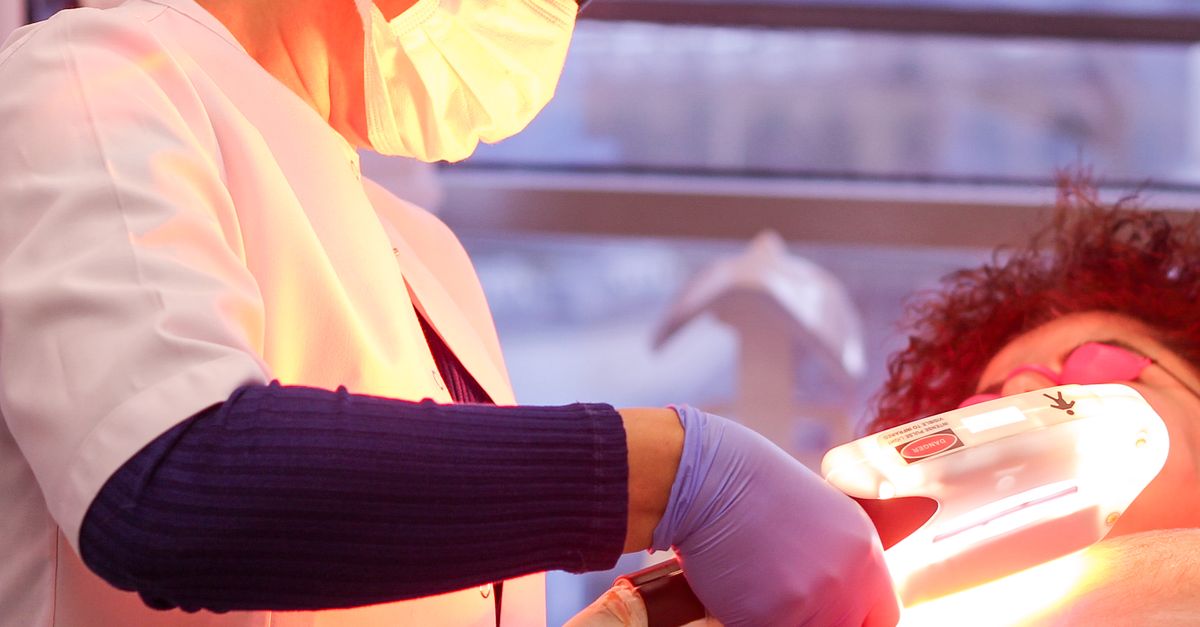
Table Of Contents
Common Side Effects to Anticipate
Individuals undergoing skin tightening treatments should be aware of potential side effects that may occur after the procedure. Bruising, swelling, and redness at the treatment site are among the most commonly reported reactions. These symptoms typically subside within a few days, but some patients may experience longer-lasting effects. Mild irritation or a feeling of tightness in the skin can also occur as the body adapts to the treatment.
In more rare cases, individuals may encounter changes in skin texture or pigmentation. These adverse effects can vary significantly in severity and duration, depending on the treatment method used and individual skin characteristics. It is essential for prospective patients to discuss these possibilities with their practitioners to ensure they have clear expectations and strategies for managing any side effects.
What to Expect in Terms of Discomfort
Patients often report varying degrees of discomfort during and after skin tightening treatments, influenced by the method used. Non-surgical options, such as radiofrequency and ultrasound therapies, tend to be less painful, with many experiencing only mild sensations like warmth or tingling. Surgical procedures, on the other hand, generally involve more significant discomfort due to their invasive nature. Patients may feel tightness or soreness in the treated areas as they heal, which can be managed with prescribed medications.
Preparation is key to managing discomfort effectively. Practitioners may apply numbing creams to the skin prior to non-surgical treatments to enhance comfort. Following surgical procedures, care instructions often include recommendations for pain relief and the use of cool compresses. Engaging in open communication with the practitioner about any apprehensions or questions regarding pain management can help set realistic expectations and provide confidence throughout the treatment process.
Comparing Non-Surgical and Surgical Options
Numerous options exist for skin tightening, with non-surgical methods rising in popularity due to their convenience and minimal downtime. Treatments like ultrasound therapy, radiofrequency, and laser treatments offer gradual tightening effects without the need for incisions. These procedures usually require several sessions to achieve optimal results but boast a lower risk of complications and a quicker recovery period, allowing individuals to resume normal activities almost immediately.
On the other hand, surgical options such as facelifts or neck lifts tend to provide more dramatic results, appealing to those seeking significant changes. While these methods can deliver long-lasting effects, they involve higher risks, longer recovery times, and more considerable post-operative care. The choice between non-surgical and surgical interventions ultimately depends on individual goals, budget considerations, and a tolerance for recovery time. Each pathway offers unique advantages worth weighing carefully before deciding.
Pros and Cons of Each Method
Non-surgical skin tightening treatments, such as ultrasound and radiofrequency procedures, offer the advantage of minimal downtime. Patients often experience quick recovery and can return to normal activities almost immediately. These methods typically involve less pain and a lower risk of complications compared to their surgical counterparts. However, the results may not be as dramatic or long-lasting as those achieved through surgical options. Patients might require multiple sessions to obtain the desired outcome, leading to greater overall cost in some cases.
On the other hand, surgical skin tightening procedures, such as facelifts or tummy tucks, provide more significant and permanent transformations. These interventions can effectively eliminate excess skin and provide tighter contours. Nevertheless, the trade-offs include longer recovery times and a higher risk of complications. Surgery often entails general anaesthesia and more substantial pain management. For some individuals, the prospect of scarring and the costs associated with a surgical procedure may deter them from choosing this route.
Longevity of Results
The duration of results from skin tightening treatments can vary significantly based on the method used. Non-surgical procedures typically offer effects that last for a few months to a couple of years, depending on factors such as individual skin type and aftercare. Surgical options generally provide longer-lasting outcomes. Patients often enjoy tighter skin for several years following a facelift or similar procedure due to the more invasive nature of these treatments.
Another crucial aspect impacting longevity is lifestyle. Factors such as diet, sun exposure, and skincare regimen play a vital role in maintaining results. Many professionals advise incorporating a healthy diet and sun protection into daily routines to prolong the effects of the treatment. Regular follow-ups or maintenance procedures may also be suggested to enhance and extend the results over time.
How Long Can You Expect the Effects to Last?
The longevity of results from skin tightening treatments can vary depending on the method used and individual factors such as skin type and lifestyle. Non-surgical options, like laser and radiofrequency treatments, typically offer effects that last anywhere from six months to two years. These methods stimulate collagen production, leading to gradual improvements. However, maintenance sessions are often recommended to sustain the effects over time.
Surgical options, such as facelifts or neck lifts, tend to provide longer-lasting results, with effects that may remain evident for several years. The durability of surgical outcomes can be attributed to the removal of excess skin and tighter underlying structures. Despite this, factors such as age, sun exposure, and hormonal changes can influence how long the effects last. Regular skincare and healthy habits play a significant role in preserving results for both surgical and non-surgical treatments.
FAQS
What are the common side effects of skin tightening treatments?
Common side effects may include redness, swelling, bruising, and temporary discomfort in the treated area. These effects usually subside within a few days.
How painful are skin tightening treatments?
The level of discomfort varies depending on the treatment type. Non-surgical methods tend to cause minimal pain, while surgical options may require anaesthesia to manage discomfort during the procedure.
What are the differences between non-surgical and surgical skin tightening options?
Non-surgical options typically involve less recovery time, are less invasive, and generally have fewer risks. Surgical options can provide more dramatic results but come with longer recovery periods and higher risks.
How long do the results of skin tightening treatments last?
The longevity of results varies by treatment type. Non-surgical treatments may last from six months to two years, while surgical results can last several years, depending on individual factors like skin type and age.
Are the results of skin tightening treatments immediate?
Some treatments offer immediate results, while others may take several weeks to become noticeable as the skin continues to tighten and regenerate collagen.
Related Links
Myths and Facts About Skin Tightening ProceduresUnderstanding the Benefits of Skin Tightening Treatments in Surfers Paradise
Aftercare Tips for Maximising Your Skin Tightening Results
Comparing Surgical vs Non-Surgical Skin Tightening Solutions
The Role of Radiofrequency in Effective Skin Tightening
What to Expect During Your Skin Tightening Consultation