skin clinic surfers paradise

The Impact of Dietary Choices on Acne: Products that Help
Highly processed foods often contain simple carbohydrates and unhealthy fats, which can lead to spikes in blood sugar and insulin levels. These fluctuations may contribute to increased sebum production and inflammation, both of which are known factor...
Read more →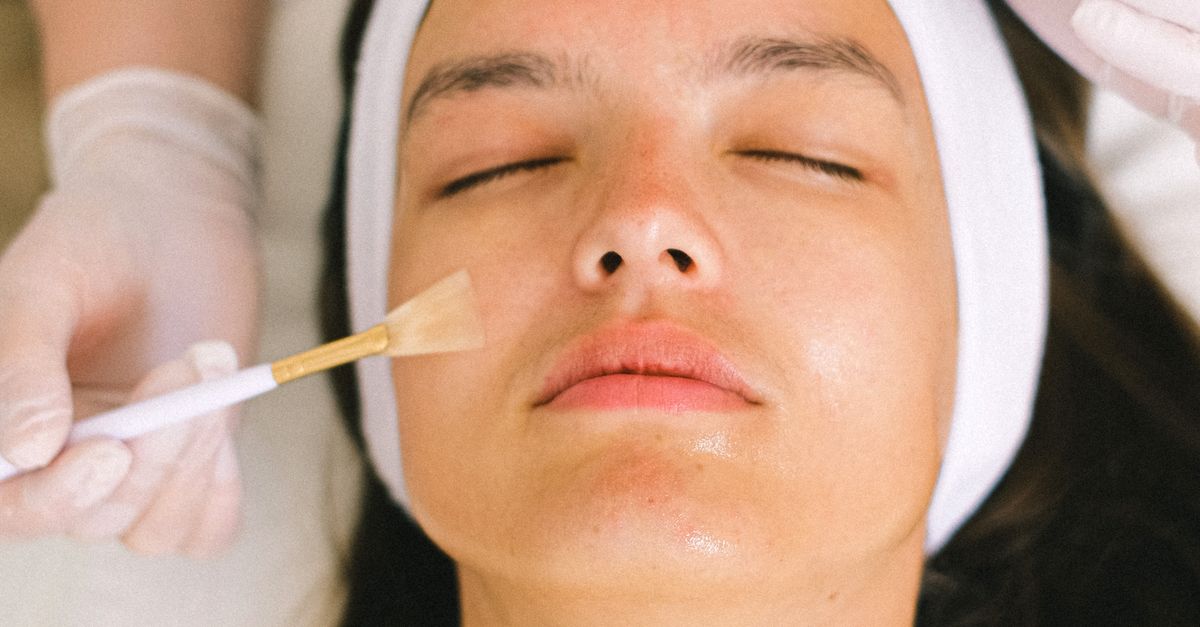
Ingredients to Avoid in Acne Treatment Products
Many skincare enthusiasts may overlook the impact of mineral oils in acne treatments. These oils, often derived from petroleum, serve as occlusive agents, creating a barrier on the skin's surface. While this can help lock in moisture, it can also tra...
Read more →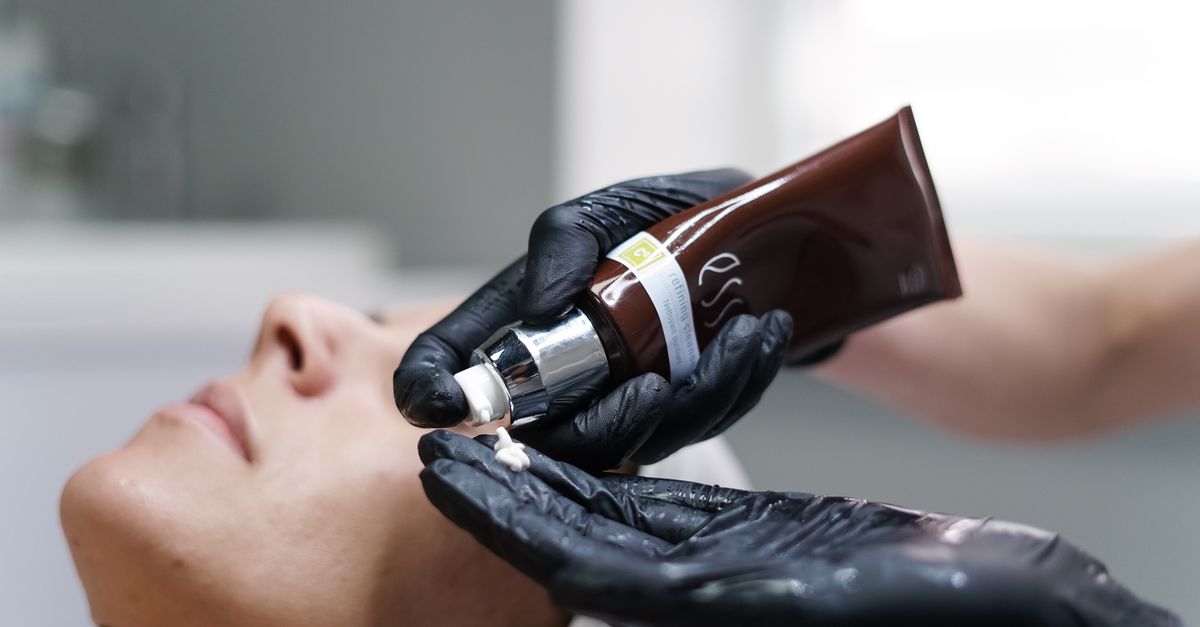
Tips for Layering Skincare Products for Optimal Acne Control
Many people believe that moisturisers are solely for those with dry skin, but this is a misconception. Acne-prone skin often requires hydration as well. When the skin is stripped of moisture due to harsh treatments or environmental factors, it may pr...
Read more →
The Importance of pH Balance in Acne Care Products
Selecting the right acne care products is crucial for achieving clear skin. Look for formulations that clearly state their pH levels, as products with a pH ranging from 4.5 to 5.5 tend to be most effective. These balanced products help to maintain th...
Read more →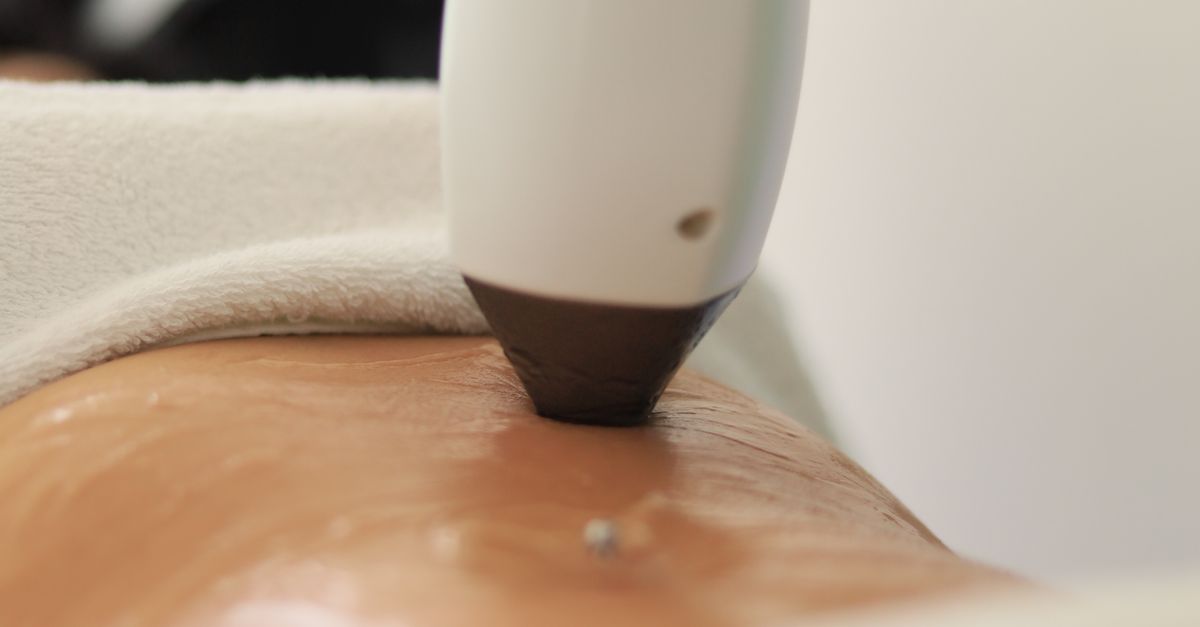
How to Choose the Right Moisturiser for Acne-Prone Skin
Finding a moisturiser that complements the needs of acne-prone skin involves understanding the texture that works best for individual skin types. Gel-based moisturisers are often a popular choice due to their lightweight, water-based formula that abs...
Read more →
Comparing Over-the-Counter Acne Treatments: What Works Best
Numerous over-the-counter acne treatments feature active ingredients that target different aspects of the acne formation process. Benzoyl peroxide is popular for its ability to kill bacteria and reduce inflammation. Salicylic acid works by unclogging...
Read more →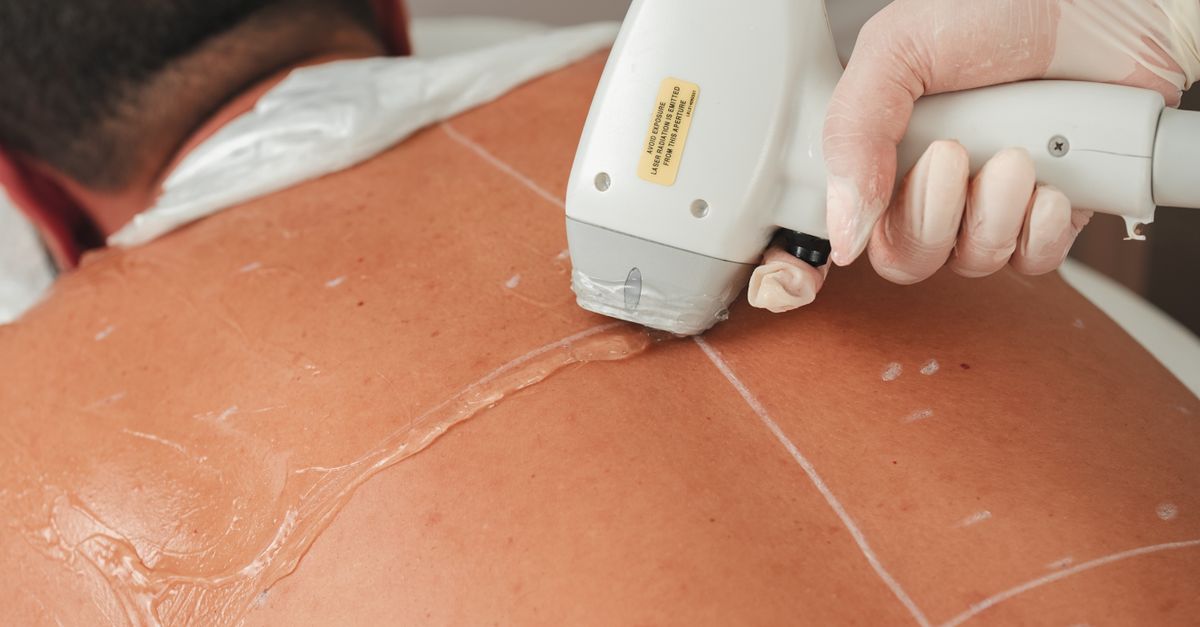
Natural Acne Remedies: Harnessing the Power of Australian Botanicals
This unique ingredient boasts remarkable anti-inflammatory properties, making it an excellent addition to skincare formulations aimed at soothing irritated skin. Rich in antioxidants, wattle seed not only helps to reduce redness and swelling but also...
Read more →
Understanding Benzoyl Peroxide: A Key Ingredient for Acne Solutions
Benzoyl peroxide can lead to a variety of potential side effects, particularly during the initial stages of use. Individuals may experience skin irritation, which often manifests as redness, dryness, or peeling. These reactions are typically associat...
Read more →
The Role of Salicylic Acid in Effective Acne Management
Salicylic acid is generally well-tolerated, but some individuals may experience side effects. Irritation such as redness, dryness, and peeling can occur, especially when first introducing the ingredient into a skincare routine. Those with sensitive s...
Read more →
The Impact of Exfoliation on Skin Texture and Tone
Home exfoliation methods allow individuals to maintain their skin's health and vibrancy without needing regular trips to a salon. Common techniques include physical exfoliation with scrubs that contain fine granules or beads, and chemical exfoliation...
Read more →
Best Acne Treatment Products for Australian Skin Types
As seasons change, skin can react in various ways, which is particularly important for those prone to acne. The transition from warm to cooler temperatures often brings a dip in humidity. This shift can lead to increased dryness for some individuals,...
Read more →
Best Exfoliants to Try for Sensitive Skin
Selecting the right exfoliant for sensitive skin requires careful consideration of ingredients and formulation. Gentle exfoliants, such as those containing lactic acid or fruit enzymes, can effectively remove dead skin cells without causing irritatio...
Read more →
The Role of Exfoliation in Preventing Acne Breakouts
Finding the right exfoliation frequency is crucial for those with acne-prone skin. Typically, incorporating exfoliation into your routine two to three times a week can help promote cell turnover without stripping away natural oils. This balance assis...
Read more →
Incorporating Exfoliation into Your Skincare Routine
Exfoliation plays a vital role in revealing brighter, smoother skin. By regularly removing dead skin cells from the surface, this process not only enhances the overall texture but also promotes a more radiant complexion. Incorporating this step into ...
Read more →
Natural Exfoliants: DIY Recipes for Radiant Skin
Oatmeal is an excellent choice for those with sensitive skin due to its gentle exfoliating properties. When used as a scrub, it helps to remove dead skin cells without causing irritation. Whole oats contain saponins, which naturally cleanse the skin....
Read more →
Chemical vs Physical Exfoliants: What's Best for You
Exfoliation can lead to various skin issues when not performed correctly or excessively. Over-exfoliating removes too much of the skin’s natural barrier, resulting in irritation, redness, and increased sensitivity. Some individuals may experience b...
Read more →
Exfoliation Myths Debunked: What You Need to Know
Many people believe that exfoliating their skin can lead to breakouts. This misconception often arises from the confusion surrounding the role of exfoliation in skin care routines. While it's true that over-exfoliating can irritate the skin and trigg...
Read more →
How Often Should You Exfoliate for Optimal Results
Chemical exfoliation involves the use of acids or enzymes to dissolve dead skin cells and promote cell turnover. Products such as alpha hydroxy acids (AHAs) and beta hydroxy acids (BHAs) are popular choices, each targeting specific skin concerns. AHA...
Read more →
Using Serums to Enhance Your Daily Moisturiser
To make the most of serums in your skincare regimen, layering is essential. After cleansing your face, apply a serum while your skin is still slightly damp. This helps improve absorption. Use a pea-sized amount and gently press it into your skin. Foc...
Read more →
Choosing the Right Exfoliant for Your Skin Type
Chemical exfoliants offer a targeted approach for buffing away dead skin cells and improving overall skin texture. When selecting the right product, consider the active ingredients and their specific benefits. Alpha hydroxy acids (AHAs) are derived f...
Read more →
The Impact of Antioxidant Serums on Skin Repair
Selecting an antioxidant serum involves understanding the specific needs of your skin. Ingredients such as vitamin C, vitamin E, and ferulic acid are commonly found in these formulations, each offering unique benefits. For those with sensitive skin, ...
Read more →
Comparing Oil-Based and Water-Based Serums for Skin Health
Water-based serums are particularly beneficial for individuals with oily and combination skin types. These formulations provide hydration without adding excessive oil, which can often clog pores and exacerbate breakouts. The lightweight texture of wa...
Read more →
The Benefits of Exfoliation for Healthy Skin
Regular exfoliation is essential for maintaining clear skin. It aids in removing dead skin cells that can accumulate on the surface, leading to clogged pores. When pores become blocked, they can create an environment conducive to acne. By incorporati...
Read more →
Understanding the Ingredients in Your Serum
Exfoliating ingredients play a crucial role in skin care routines, helping to remove dead skin cells and promote cell turnover. Two main categories of exfoliants are chemical and physical, with the former often preferred for their gentle yet effectiv...
Read more →
Best Serums for Hyperpigmentation: Achieve an Even Skin Tone
Incorporating a well-rounded skincare routine can significantly enhance the effectiveness of serums aimed at treating hyperpigmentation. A gentle exfoliator can help remove dead skin cells, allowing for better absorption of active ingredients in seru...
Read more →
Night Serums: Why You Need One in Your Skincare Routine
Introducing a night serum into your skincare routine can significantly enhance the health of your skin. Begin with a clean face, as this ensures optimal absorption of the serum’s active ingredients. After cleansing, apply a toner if you typically u...
Read more →
The Role of Peptide Serums in Skin Ageing Prevention
Integrating peptide serums into a skincare routine can enhance the overall effectiveness of anti-ageing efforts. Start by selecting a serum that suits your skin type and addresses specific concerns. Cleanse the skin thoroughly and apply a toner if de...
Read more →
The Best Water-Resistant Sunscreens for Active Beach Days
When choosing a sunscreen, understanding the differences between chemical and physical formulations is essential. Chemical sunscreens typically absorb UV radiation through active ingredients like avobenzone or oxybenzone. They work quickly upon appli...
Read more →
How to Choose the Right Hyaluronic Acid Serum
A brand’s reputation plays a crucial role in the selection process for hyaluronic acid serums. Well-established brands often prioritise quality and transparency, which can reflect positively on their products. Many reputable companies invest in res...
Read more →
The Benefits of Vitamin C Serums for Glowing Skin
Vitamin C serums play a crucial role in safeguarding the skin from various environmental stressors. Exposure to pollution, UV rays, and other toxins can lead to premature skin ageing and a dull appearance. The antioxidant properties of vitamin C comb...
Read more →
Serums for Oily Skin: Effective Solutions for Breakouts
When applying serums, it's important to ensure that your face is clean and dry. This creates the best conditions for the serum to penetrate the skin effectively. Begin by cleansing your face with a suitable cleanser tailored for oily skin. After patt...
Read more →
Tips for Applying Sunscreen for Maximum Effectiveness
Applying sunscreen to hard-to-reach areas can be tricky but is essential for comprehensive protection. Areas like the back, behind the ears, and the back of the knees often get overlooked. Using a sunscreen spray can simplify the process, allowing fo...
Read more →
Understanding Broad Spectrum Protection in Sunscreens
For optimal protection, it's essential to apply sunscreen generously. Most adults require approximately one ounce, or about a shot glass full, to cover all exposed areas of the body effectively. Many individuals underestimate this amount, leading to ...
Read more →
Myths and Facts About Sunscreens in the Queensland Sun
To achieve the best protection from harmful UV rays, applying sunscreen correctly is essential. Generously apply sunscreen to all exposed skin at least 15 minutes before heading outdoors. Use a sufficient amount; a broad rule is about a teaspoon for ...
Read more →
How Often Should You Reapply Sunscreen While Swimming
Choosing the right sunscreen is essential for effective protection against harmful UV rays. Opt for a broad-spectrum sunscreen with an SPF of at least 30. Apply generously on all exposed skin, including areas like the ears, back of the neck, and the ...
Read more →
Natural vs Chemical Sunscreens: What You Need to Know
The environmental repercussions of sunscreen use have garnered considerable attention in recent years. Many popular chemical sunscreens contain ingredients that can be harmful to marine life. Oxybenzone and octinoxate are two common chemicals linked ...
Read more →
The Science Behind SPF: Understanding Sun Protection Factor
Sun protection factor is often misunderstood, leading individuals to underestimate the importance of proper sun care. A prevalent misconception is that a higher SPF completely eliminates the risk of sunburn or skin damage. While higher numbers do ind...
Read more →
Comparing Moisturising Serums and Creams: Which Is Better?
Different skin types require specific products to achieve optimal hydration. Oily skin may benefit from lighter formulations like serums, which often contain fewer occlusive ingredients. These products can deliver hydration without weighing down the ...
Read more →
The Benefits of Daily Sunscreen Use for Australian Skin
Regular use of sunscreen plays a pivotal role in maintaining and enhancing skin health, particularly in a sun-soaked country like Australia. Daily application can help prevent a range of skin issues, including premature ageing, sunspots, and the risk...
Read more →
Top 10 Sunscreens for Coastal Living in Surfers Paradise
Extended sun exposure requires sunscreens that offer high SPF ratings for optimal protection. Many products now feature SPF 50 or higher, ensuring that skin remains shielded from harmful UV rays for longer durations. These formulations often include ...
Read more →
Customising Your Moisturiser Based on Seasonal Changes
When seeking to personalise skincare, natural ingredients can serve as effective alternatives. Many essential oils, such as lavender or tea tree, offer therapeutic properties that can enhance the moisturising experience. These oils not only provide h...
Read more →
Essential Moisturising Tips for Sun-Exposed Skin
Exposure to the sun can lead to skin damage, making it essential to combine sun protection with effective moisturisation. Broad-spectrum sunscreen should be applied generously, ideally half an hour before heading outdoors. This creates a barrier agai...
Read more →
Moisturiser Myths: Debunking Common Misconceptions
Many people believe that using moisturiser every day can lead to breakouts. This misconception can stem from the assumption that adding moisture to the skin may clog pores and contribute to acne. In reality, a well-formulated moisturiser can help bal...
Read more →
How to Layer Your Moisturiser for Maximum Efficacy
Moisturiser application timing plays a crucial role in achieving optimal skin hydration. For morning routines, applying moisturiser after cleansing helps to lock in moisture and prepare the skin for the day ahead. This step is essential before sunscr...
Read more →
Natural Ingredients to Look for in Moisturisers for Optimal Skin Health
Coconut oil is celebrated for its multifaceted benefits in skincare. This natural ingredient is rich in fatty acids that penetrate deeply into the skin, providing hydration and nourishment. Additionally, it possesses anti-inflammatory properties, mak...
Read more →
The Role of Moisturisers in an Anti-Ageing Skin Care Routine
Moisturisers play a pivotal role in maintaining skin hydration, which is vital for an effective anti-ageing routine. To reap the most benefits, it is essential to apply moisturiser to clean skin, following a gentle cleansing routine. This helps in lo...
Read more →
Lightweight vs. Thick: Choosing the Right Moisturiser for Your Skin
Individual lifestyle choices significantly influence the type of moisturiser that may suit one’s skin best. Those who live in humid climates may benefit from lightweight formulas that hydrate without causing greasiness. In contrast, individuals in ...
Read more →
Hydration Heroes: Top Moisturisers Available in Surfers Paradise
The harsh Australian sun and coastal winds can take a toll on skin health. Environmental factors such as UV rays, pollution, and humidity can lead to premature ageing and skin damage. A good moisturiser acts as a barrier, protecting the skin from the...
Read more →
Results and Expectations for Skin Tightening Treatments
Individuals undergoing skin tightening treatments should be aware of potential side effects that may occur after the procedure. Bruising, swelling, and redness at the treatment site are among the most commonly reported reactions. These symptoms typic...
Read more →
How to Choose the Right Sunscreen for Your Skin Type
Water resistance is a crucial factor when selecting sunscreen, especially for those who spend time outdoors or engage in water activities. Sunscreens designed for water resistance help maintain their effectiveness while swimming or sweating. These pr...
Read more →
Best Moisturisers for Australian Skin Types
Finding the right moisturiser for combination skin can be challenging due to the diverse needs of different areas on the face. A product that offers hydration without overwhelming oily zones is essential. Look for lightweight, oil-free options that c...
Read more →
Myths and Facts About Skin Tightening Procedures
Understanding the cost of skin tightening procedures involves several key components. The type of treatment chosen significantly affects the price. Various methods might cater to different skin types and conditions, leading to a broad range of costs....
Read more →
Aftercare Tips for Maximising Your Skin Tightening Results
Taking care of your skin after a tightening procedure is crucial to avoid irritation. Gentle cleansing is essential; choose a mild, non-abrasive cleanser to prevent the skin from becoming inflamed. Avoid hot showers and saunas immediately after treat...
Read more →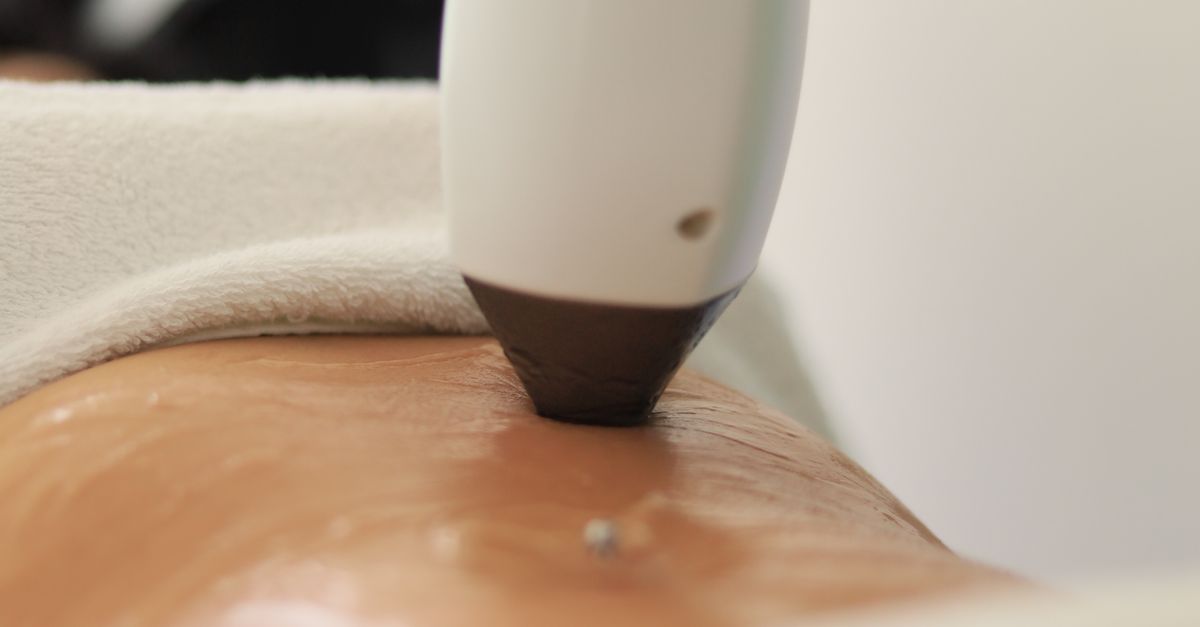
Comparing Surgical vs Non-Surgical Skin Tightening Solutions
Non-surgical skin tightening solutions offer significant benefits, particularly in convenience and comfort. Many of these treatments can be conducted in a clinic environment without the need for general anaesthesia. Patients can typically return to t...
Read more →
The Role of Radiofrequency in Effective Skin Tightening
Radiofrequency treatments are generally considered safe when performed by qualified professionals using appropriate technology. It is essential that practitioners assess each patient's unique skin type and medical history before commencing treatment....
Read more →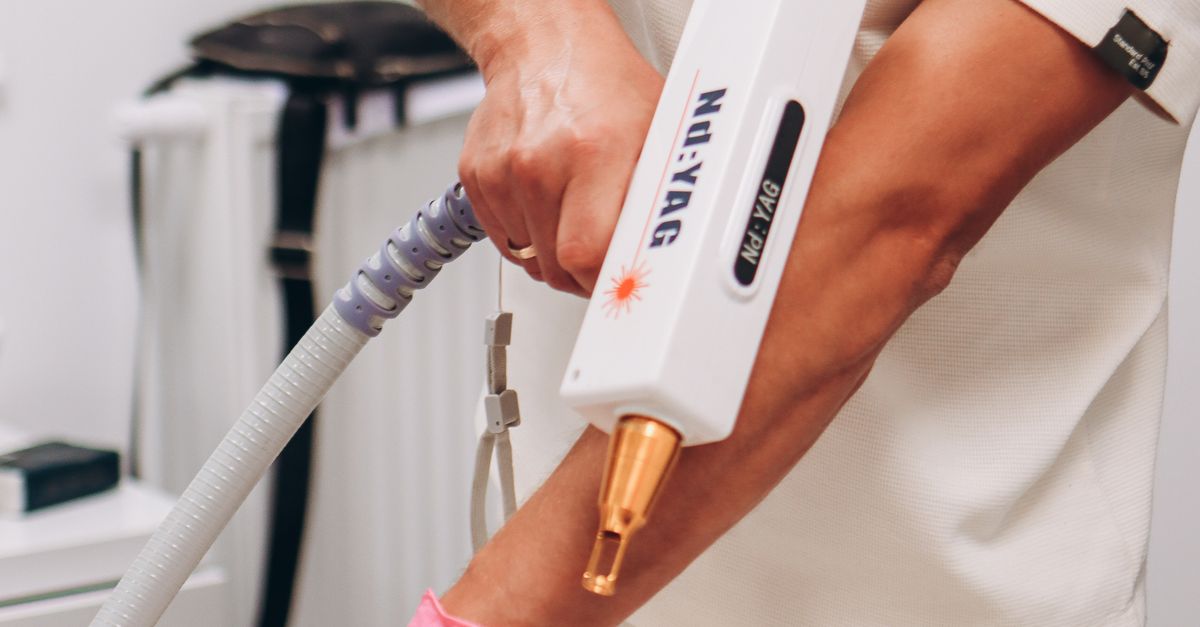
What to Expect During Your Skin Tightening Consultation
A thorough skin analysis is essential in determining the right skin tightening approach for each individual. During this assessment, a trained professional evaluates the skin's texture, elasticity, and overall condition. Specific concerns, such as sa...
Read more →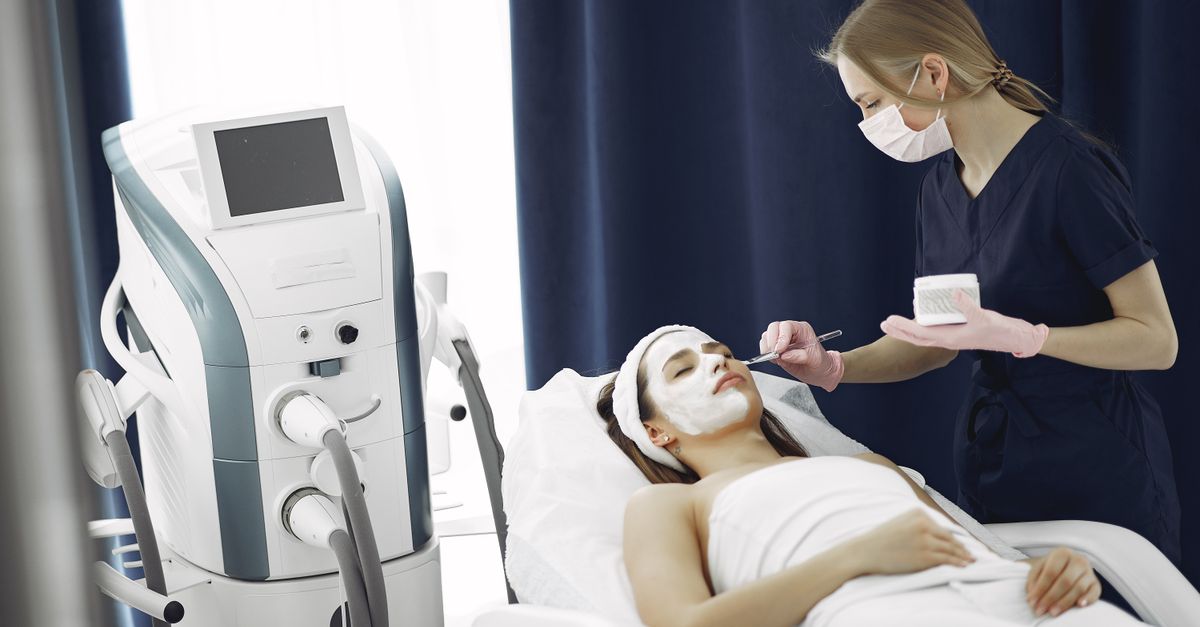
Exploring the Latest Innovations in Skin Tightening Techniques
This innovative technique involves using fine needles to create controlled micro-injuries in the skin. The procedure stimulates the body’s natural healing processes, encouraging the production of collagen and elastin. As these proteins are vital fo...
Read more →
How to Choose the Right Skin Tightening Option for Your Needs
Non-invasive skin tightening techniques offer a range of benefits that appeal to many looking to enhance their appearance without the need for extensive surgical procedures. One of the most significant advantages is the reduced risk of complications ...
Read more →
The Science Behind Non-Surgical Skin Tightening Procedures
This innovative technique involves using a device equipped with fine needles to create controlled micro-injuries on the skin’s surface. By doing so, it stimulates the body’s natural healing process, promoting collagen and elastin production. Vari...
Read more →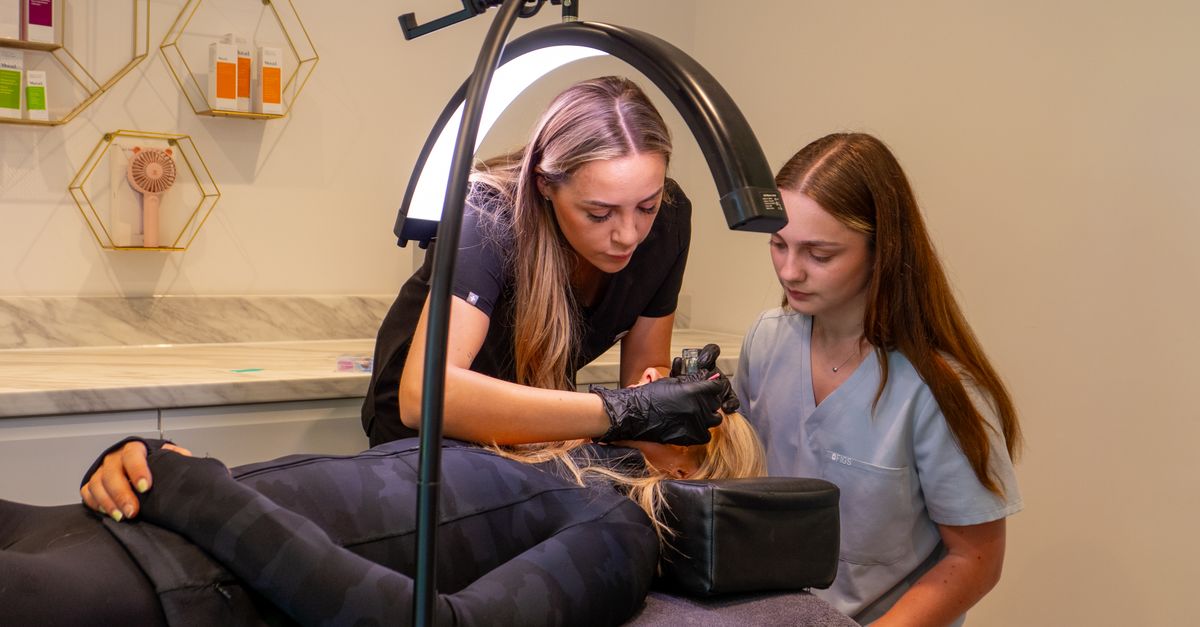
Understanding the Benefits of Skin Tightening Treatments in Surfers Paradise
Consider your unique skin type and any specific concerns you may have before selecting a skin tightening treatment. Various options are available, ranging from non-invasive methods like radiofrequency and ultrasound to surgical procedures that provid...
Read more →
Comparing Microdermabrasion With Chemical Peels for Skin Renewal
Microdermabrasion is generally suitable for a variety of skin types, including normal, oily, and combination skin. This treatment works effectively on superficial skin issues such as uneven texture and minor discolouration. Those with sensitive skin ...
Read more →
Exploring the Different Types of Microdermabrasion Machines
Professional microdermabrasion treatments typically occur in dermatology clinics or beauty salons. These sessions are performed by trained aestheticians who have access to advanced machines capable of delivering stronger exfoliation. The equipment us...
Read more →
Microdermabrasion: Myths and Facts Debunked
After undergoing microdermabrasion, the skin requires appropriate attention to promote healing and maximise results. Avoiding direct sun exposure is crucial in the days following the treatment. Using a broad-spectrum sunscreen is recommended, as the ...
Read more →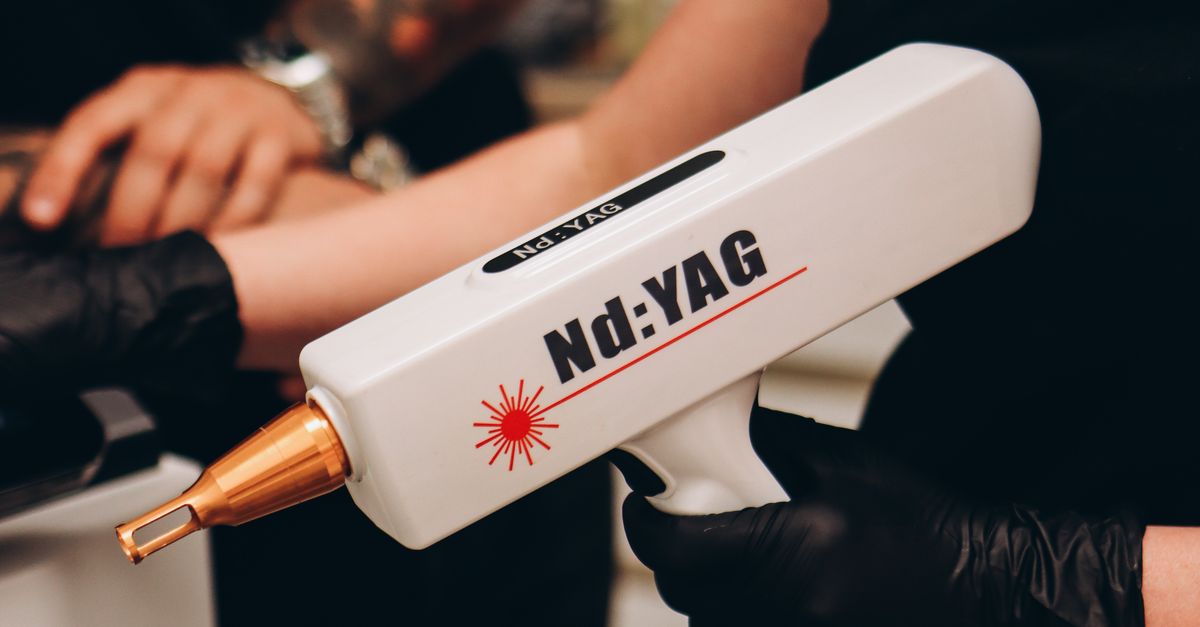
Aftercare Tips for a Successful Microdermabrasion Session
After undergoing microdermabrasion, it is crucial to approach makeup application with caution. The skin may experience some sensitivity or redness immediately following the treatment. It is generally advisable to wait at least 24 hours before applyin...
Read more →
Microdermabrasion vs Traditional Exfoliation Techniques
Traditional exfoliation involves the use of physical or chemical agents to remove dead skin cells from the surface of the skin. Physical exfoliants include scrubs that contain granules or particles that slough off the dead cells when massaged onto th...
Read more →
The Process of Microdermabrasion: What to Expect
Post-treatment care is essential for maximising the benefits of microdermabrasion. Immediately after the procedure, skin may appear red and slightly swollen. It is critical to avoid sun exposure for at least a week, as freshly treated skin is sensiti...
Read more →
Incorporating Microdermabrasion into Your Skincare Routine
After a microdermabrasion session, treating your skin with care is crucial. Cleansing with a gentle, non-irritating cleanser will help remove any remaining exfoliated skin cells without compromising the skin barrier. Following cleansing, it’s advis...
Read more →
Post-Chemical Peel Care: Tips for Optimising Your Results
After a chemical peel, it is common to experience redness, swelling, or a tight sensation on the skin. These effects can vary in intensity depending on the type of peel performed. To find relief, applying a cool compress to the affected areas can hel...
Read more →
How Microdermabrasion Can Improve Your Complexion
Microdermabrasion is typically recommended as a series of treatments rather than a one-off session. Many experts suggest starting with sessions every two to four weeks, depending on individual skin concerns and goals. This frequency allows the skin t...
Read more →
Finding the Best Skin Clinic in Surfers Paradise for Your Chemical Peel
Before committing to a chemical peel, a thorough consultation is essential. This initial meeting allows you to discuss your skin concerns, goals, and medical history with a practitioner. It serves as an opportunity to assess your skin type and any co...
Read more →
Understanding the Benefits of Microdermabrasion for Skin Health
Undergoing a microdermabrasion session typically begins with a consultation where your skin type and concerns are discussed. Once the treatment plan is established, the process begins in a comfortable clinical environment. The practitioner will clean...
Read more →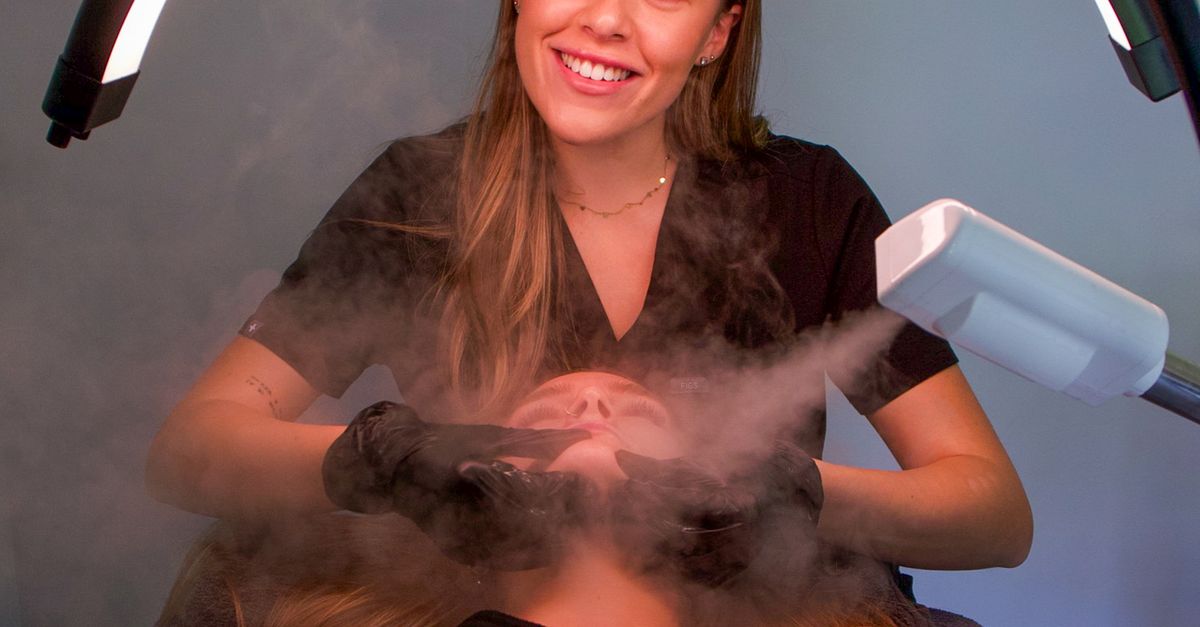
Comparing Light, Medium, and Deep Chemical Peels
Medium chemical peels are particularly suitable for individuals dealing with sun damage, moderate acne scarring, and uneven skin tone. Those with skin that exhibits fine lines or superficial wrinkles often find these treatments beneficial. The proced...
Read more →
The Science Behind Chemical Peels: How They Work on Your Skin
Chemical peels are recognized for their ability to rejuvenate the skin and address various skin concerns. They effectively exfoliate the outer layer of dead skin cells, which can lead to improved texture and radiance. Many people experience a reducti...
Read more →
How Chemical Peels Can Help with Sun Damage and Hyperpigmentation
Chemical peels are categorised based on their depth of penetration into the skin. Superficial peels primarily target the outermost layer, using mild acids such as alpha-hydroxy acids (AHAs) to help exfoliate and rejuvenate the skin. They are ideal fo...
Read more →
Choosing the Right Chemical Peel for Your Skin Concerns
Beta hydroxy acids (BHAs) play a pivotal role in skincare, particularly for those dealing with oily or acne-prone skin. Salicylic acid, the most common BHA, penetrates deep into the pores, effectively dissolving excess sebum and dead skin cells. This...
Read more →
Chemical Peels: A Comprehensive Guide for Surfers Paradise Residents
Proper aftercare is crucial for achieving the best results following a chemical peel. After the treatment, the skin may be sensitive and require gentle handling. Patients should avoid excessive sun exposure and apply a broad-spectrum sunscreen to pro...
Read more →
Ideal Candidates for Microdermabrasion Treatments
Microdermabrasion treatments can benefit a range of individuals seeking to improve their skin's appearance. Those with concerns such as mild acne, sun damage, or uneven skin tone often find this non-invasive procedure particularly effective. Addition...
Read more →
What to Expect Before and After Your Chemical Peel Appointment
A chemical peel can lead to significant improvements in skin texture and tone over time. Patients may notice a decrease in the appearance of fine lines, sun damage, and acne scars as their skin rejuvenates. The effects are generally progressive, ofte...
Read more →
Understanding Different Types of Chemical Peels Available at Skin Clinics
Chemical peels utilise a variety of active ingredients, each tailored to address specific skin concerns. Alpha hydroxy acids (AHAs) are commonly found in these formulations and are derived from natural sources like fruits and milk. They work by exfol...
Read more →
The Benefits of Chemical Peels for Skin Renewal in Surfers Paradise
Acne scarring can have a significant impact on one’s confidence and overall appearance. Many individuals seek effective solutions to minimise these scars, and chemical peels offer a promising option. These treatments work by exfoliating the outer l...
Read more →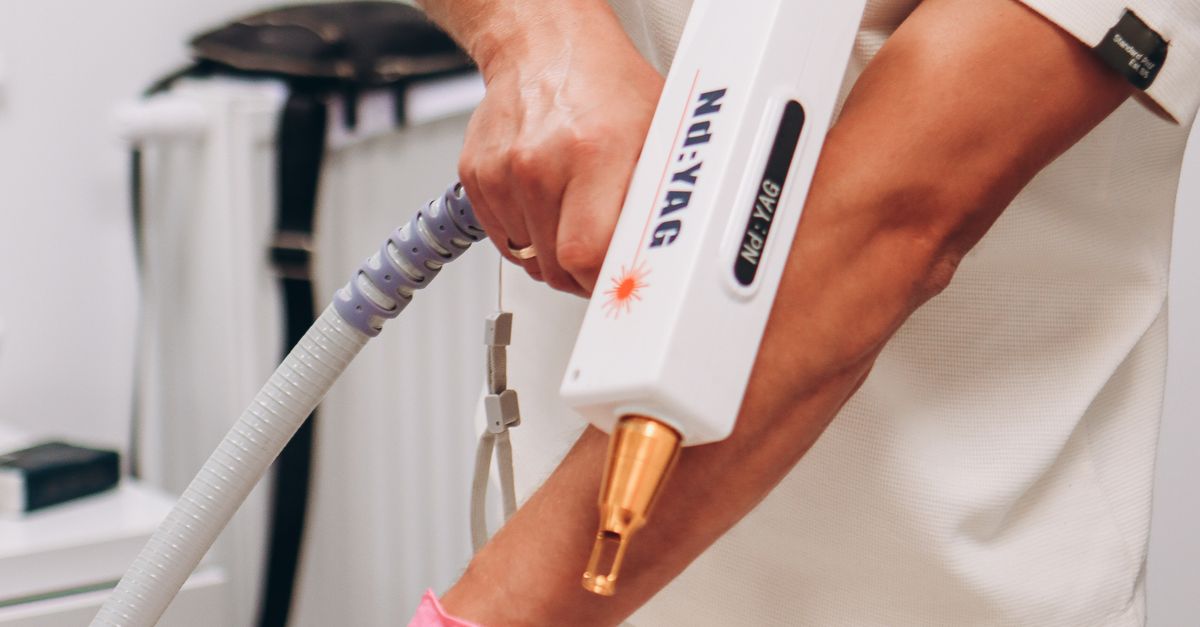
The Impact of Laser Skin Resurfacing on Acne Scarring
Before undergoing laser skin resurfacing, it is important to consult with a qualified dermatologist who specialises in acne scarring treatments. A thorough assessment of your skin type and scarring characteristics will help determine the most suitabl...
Read more →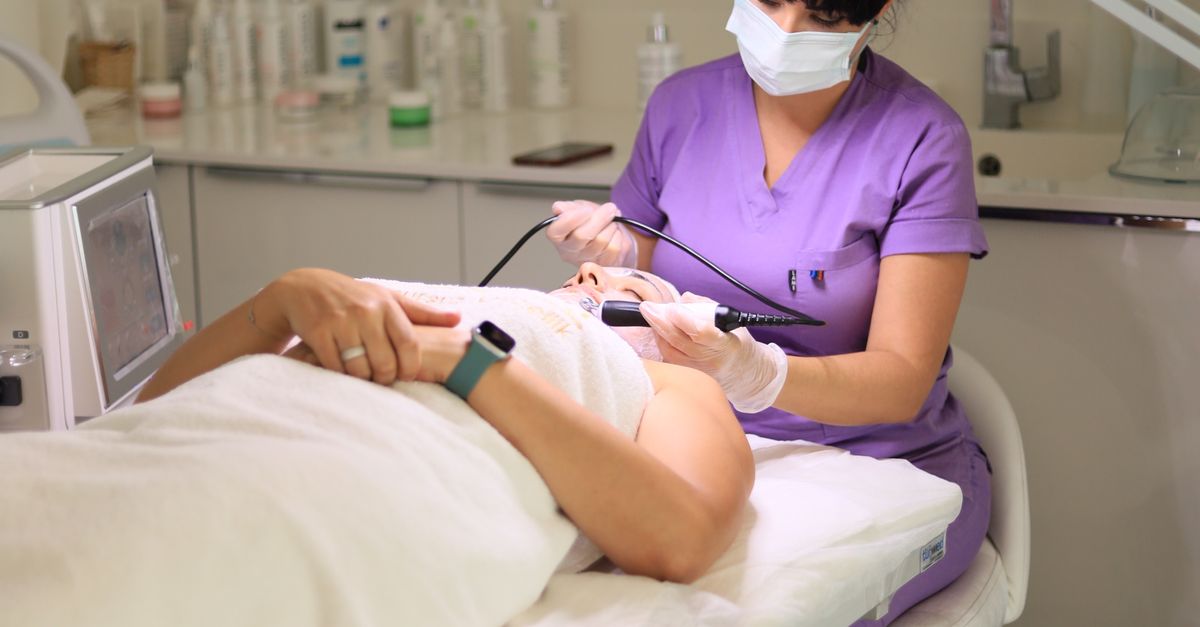
Common Myths About Laser Skin Resurfacing Debunked
The belief that laser skin resurfacing is exclusively a women’s treatment is a misconception. Men increasingly recognise the benefits of this procedure for addressing skin issues such as sun damage, acne scars, and signs of ageing. Many clinics rep...
Read more →
What to Expect During Your Laser Skin Resurfacing Consultation
When considering laser skin resurfacing, understanding the potential outcomes is crucial. This procedure can significantly improve skin texture, reduce scarring, and minimise signs of ageing. However, results can vary based on skin type, age, and the...
Read more →
Is Laser Skin Resurfacing Safe for All Skin Types?
Laser skin resurfacing procedures carry inherent risks that vary according to the technique used and the individual's skin type. Patients with darker skin tones face a higher risk of hyperpigmentation, which can occur when the procedure disrupts the ...
Read more →
Choosing the Right Laser for Skin Resurfacing Treatments
Laser skin resurfacing can offer significant benefits, but it also comes with potential risks that should be carefully considered. Common side effects include redness, swelling, and peeling, which may last for several days post-treatment. More seriou...
Read more →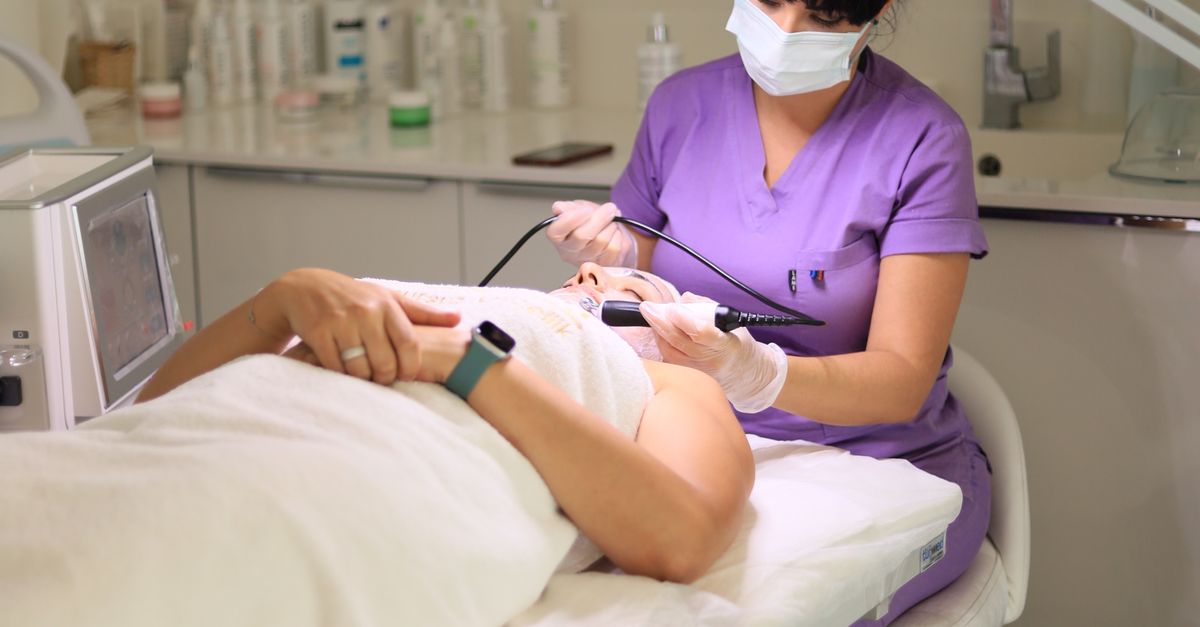
The Role of Technology in Modern Laser Skin Resurfacing Techniques
Advancements in laser technology have significantly reduced recovery times for patients undergoing skin resurfacing procedures. Newer modalities, such as fractional lasers, specifically target damaged areas without affecting the surrounding skin. Thi...
Read more →
Aftercare Tips for Optimal Results from Laser Skin Resurfacing
Implementing a gentle skincare routine after laser skin resurfacing is essential for optimal healing. Start by cleansing your face with a mild, non-irritating cleanser. It's important to use lukewarm water, avoiding hot temperatures that can irritate...
Read more →
How Laser Skin Resurfacing Can Transform Your Complexion
Following a laser skin resurfacing treatment, patients typically experience some degree of swelling, redness, and discomfort. This initial reaction can last anywhere from a few days to a couple of weeks, depending on the depth of the treatment. It's ...
Read more →
Comparing Ablative and Non-Ablative Laser Skin Resurfacing
Each type of laser skin resurfacing offers distinct results suited to different skin concerns. Ablative lasers tend to provide more dramatic outcomes, particularly for issues such as deep wrinkles, severe sun damage, and substantial scarring. The pro...
Read more →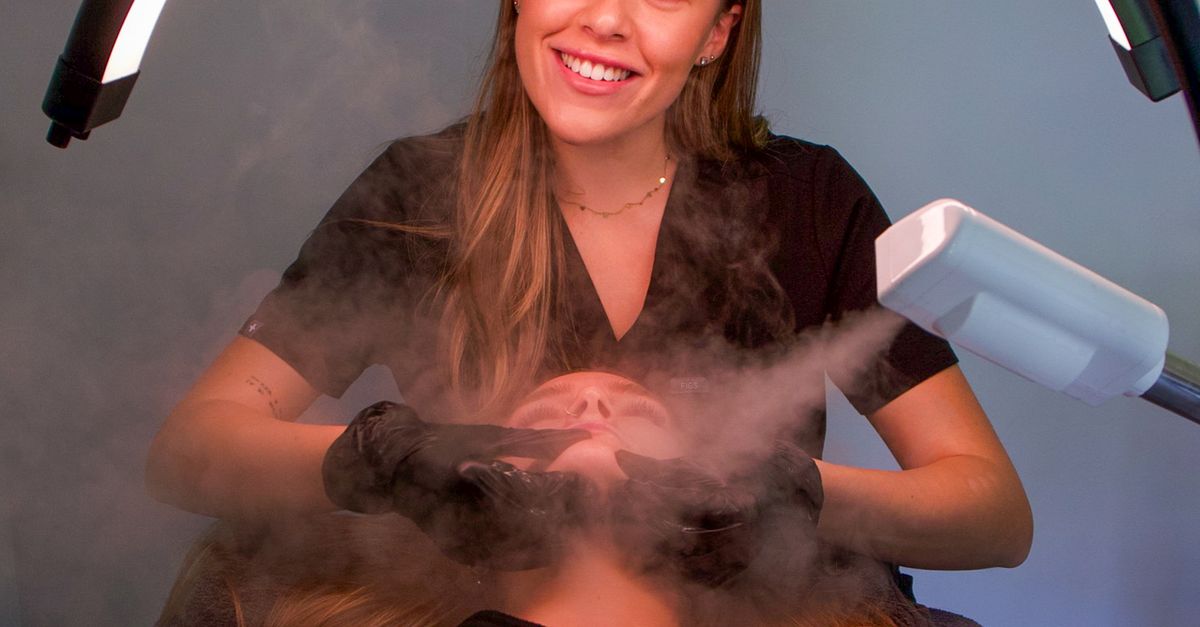
Understanding the Benefits of Laser Skin Resurfacing at Surfers Paradise Skin Clinics
Laser skin resurfacing involves using focused beams of light to improve the appearance of the skin. This technique targets specific areas, working to reduce the effects of sun damage, ageing, and other skin imperfections. The procedure typically empl...
Read more →
Preparing for Your First Injectable Appointment: What to Know
Caring for your skin after an injectable treatment is essential for achieving the best possible results. Each procedure may have specific guidelines from your practitioner, but general recommendations often include avoiding strenuous exercise, steam ...
Read more →
Customising Your Injectable Treatment Plan for Optimal Results
Selecting a practitioner for injectable treatments is a crucial step in achieving your desired results. Look for individuals who possess relevant qualifications. A registered nurse or a medical doctor with specialised training in aesthetics is essent...
Read more →
The Importance of Consulting Qualified Practitioners for Injectables
After receiving injectables, proper aftercare is essential for both optimal results and the overall health of the patient. Following the practitioner's guidance can help minimise side effects and speed up recovery. Common aftercare advice may include...
Read more →
Comparing Hyaluronic Acid Fillers and Collagen Boosters
Collagen boosters have several drawbacks that may influence an individual's decision during the cosmetic treatment process. One significant concern is the time required to see tangible results. Unlike hyaluronic acid fillers that provide immediate ef...
Read more →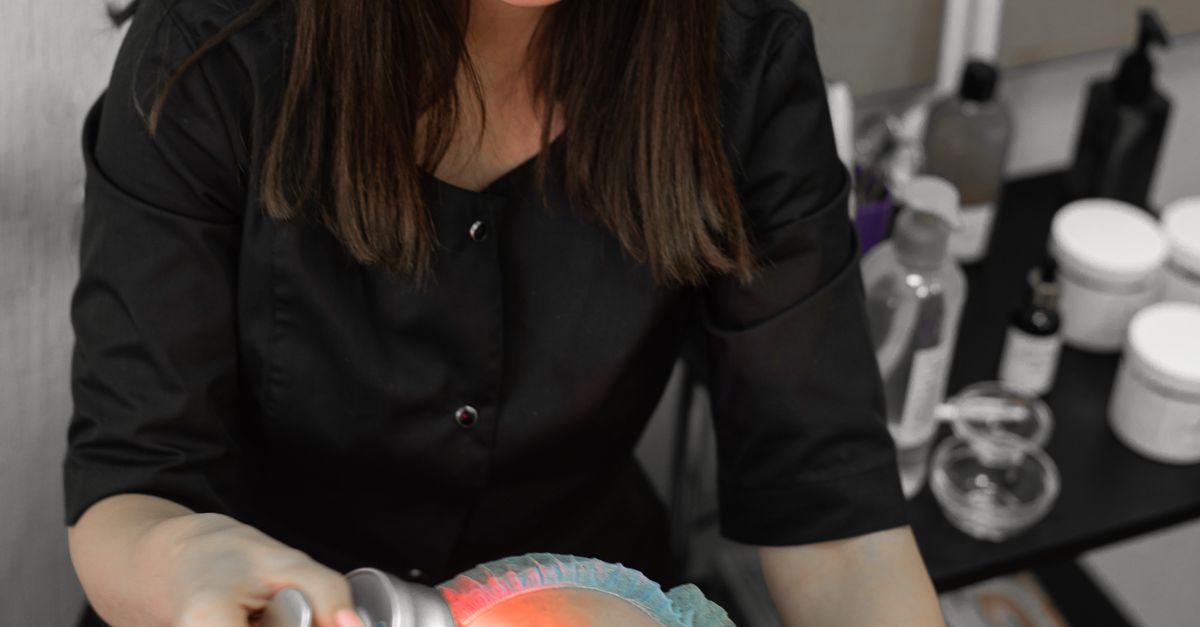
Common Side Effects of Injectable Treatments and How to Manage Them
Fatigue and weakness are common side effects experienced by individuals following injectable treatments. These feelings can vary in intensity and may persist for a few days or longer, depending on the type of treatment and individual response. It’s...
Read more →
Debunking Myths About Cosmetic Injectables in Australia
In Australia, the legal framework surrounding cosmetic injectables primarily focuses on ensuring safety and efficacy for consumers. Generally, there are no specific age restrictions mandated by law for individuals seeking cosmetic treatments such as ...
Read more →
The Role of Injectable Treatments in Facial Contouring
Selecting a qualified professional is crucial for achieving desired results in facial contouring. Look for practitioners with an extensive background in injectables, particularly those who have received specific training in the techniques required fo...
Read more →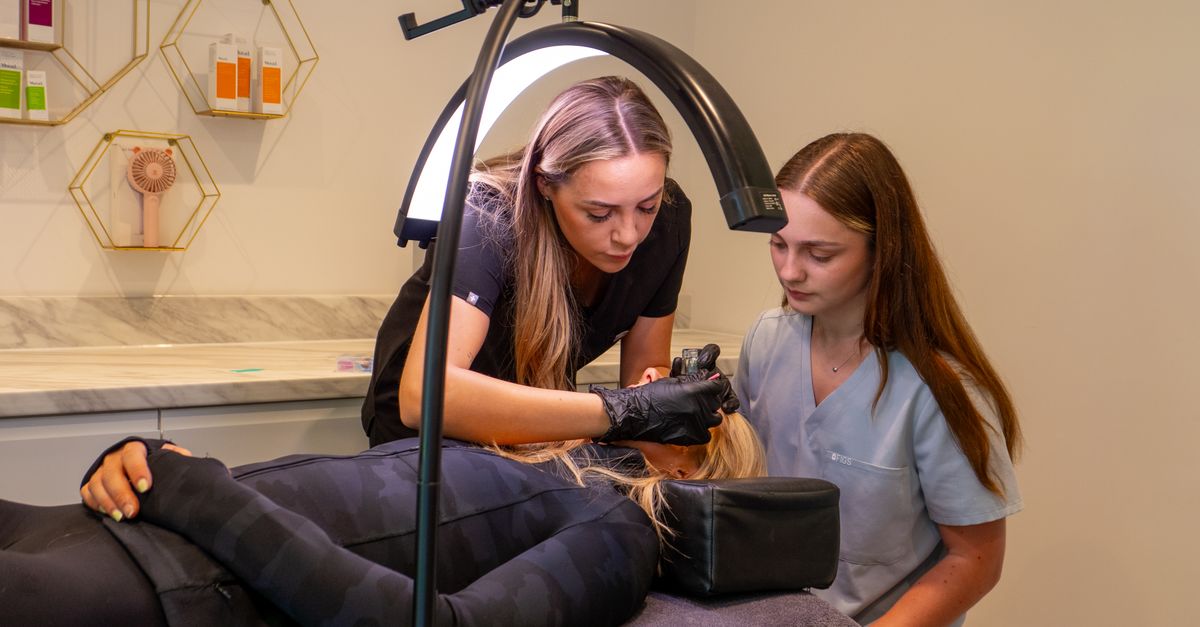
How to Choose the Right Injectable for Your Skin Type
Understanding the ingredients in injectables is crucial for making informed choices. Different products utilise various active components which can target specific concerns. For instance, hyaluronic acid is popular for its hydrating properties, makin...
Read more →
Post-Treatment Care for Optimal Skin Rejuvenation Results
Sun exposure can significantly impact the healing process of your skin after treatment. UV rays can hinder the recovery and rejuvenation processes, leading to potential complications like hyperpigmentation or premature aging. To achieve optimal resul...
Read more →
Exploring the Latest Advances in Anti-Wrinkle Injections
Selecting the right practitioner is essential for ensuring a safe and effective anti-wrinkle treatment. It is important to research potential candidates thoroughly. Look for practitioners who specialise in cosmetic procedures and possess the necessar...
Read more →
Understanding the Benefits of Dermal Fillers in Surfers Paradise
When considering dermal fillers, it's essential to be aware of potential risks and side effects. Common reactions can include swelling, redness, and bruising at the injection sites. These effects are usually temporary and resolve within a few days. H...
Read more →
Tailoring Skin Rejuvenation Treatments to Your Skin Type
Combination skin presents unique challenges due to its varying needs. This skin type typically features both oily and dry areas, often manifesting with an oily T-zone and dry cheeks. A tailored treatment approach focuses on balancing these contrastin...
Read more →
The Science Behind Effective Skin Rejuvenation Therapies
Chemical peels are an established skincare treatment designed to improve the appearance of the skin. They involve the application of a chemical solution that exfoliates the outermost layers of skin, leading to its gradual peeling. The depth of the pe...
Read more →
Comparing Different Skin Rejuvenation Approaches: What to Choose?
The use of Platelet-Rich Plasma (PRP) therapy has gained traction in the field of skin rejuvenation. This innovative treatment utilises a patient's own blood, from which platelets are extracted and concentrated. The resulting plasma is rich in growth...
Read more →
Non-Invasive Skin Rejuvenation Techniques You Should Know
This method involves using concentrated beams of light to improve skin texture and overall appearance. By targeting specific areas of the skin, laser resurfacing can effectively reduce the visibility of wrinkles, scars, and sun damage. The procedure ...
Read more →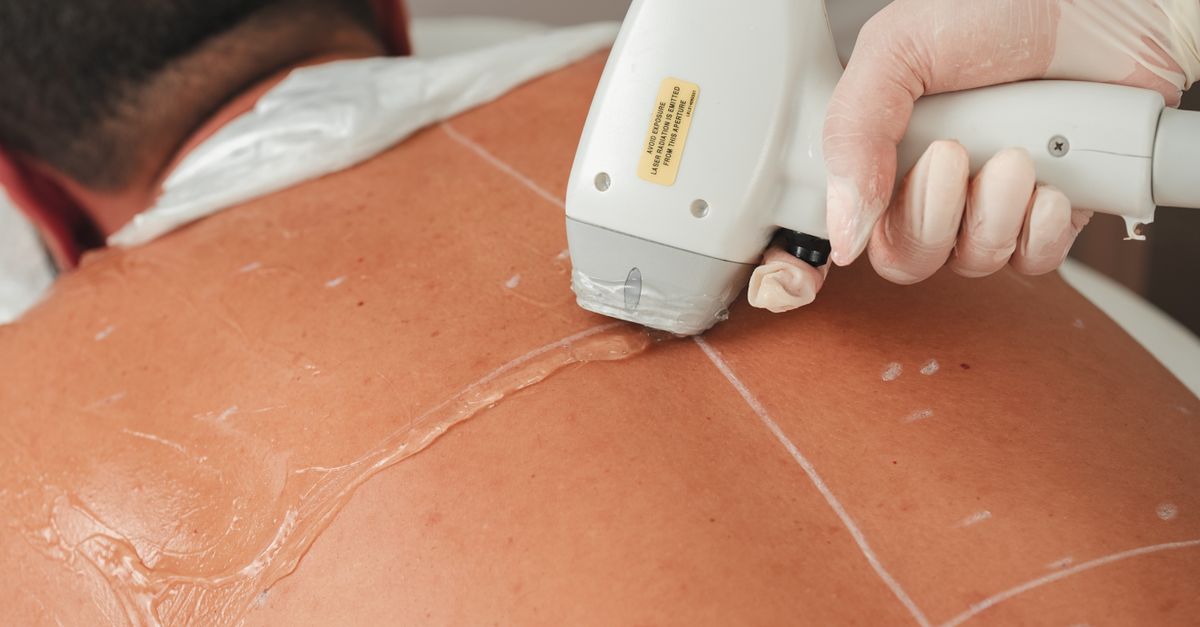
Combining Microneedling with PRP for Optimal Skin Revitalisation
Patients undergoing the combination of microneedling and PRP often experience significant improvements in skin texture and tone. The synergistic effects of these two treatments work together to boost collagen production and skin rejuvenation. Immedia...
Read more →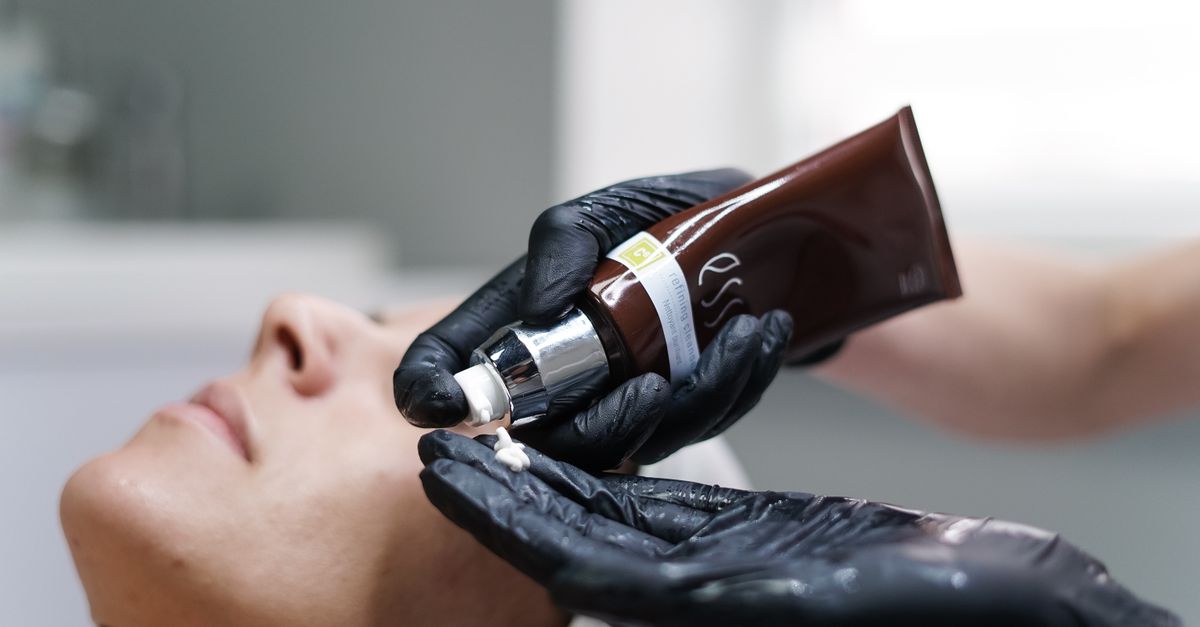
The Role of Platelet-Rich Plasma in Skin Rejuvenation
Platelet-rich plasma injections are generally considered safe, but some risks and side effects may occur. Common reactions include swelling, redness, and bruising at the injection site. These reactions are typically mild and resolve within a few days...
Read more →
Understanding the Benefits of Radiofrequency Skin Rejuvenation
The number of sessions required for radiofrequency skin rejuvenation can vary based on individual goals and skin conditions. Typically, practitioners recommend a series of three to five treatments, spaced several weeks apart. This timeframe allows th...
Read more →
Best Practices for Preparing Your Skin for a Chemical Peel
Certain skincare products can pose risks when preparing for a chemical peel. Harsh exfoliants, retinoids, and products containing strong acids should be avoided in the weeks leading up to the procedure. These ingredients can increase skin sensitivity...
Read more →
How Skin Rejuvenation Can Enhance Your Natural Glow
Various professional treatments have become increasingly popular for those seeking significant improvements in skin texture and appearance. Options range from chemical peels and microdermabrasion to laser therapy and intense pulsed light (IPL) treatm...
Read more →
Potential Side Effects of Chemical Peels and How to Manage Them
Following a chemical peel, it is common for the skin to experience blistering and dryness. These symptoms can result from the treatment's intensity, which aims to exfoliate and rejuvenate the skin. Blisters may form as the skin undergoes a healing pr...
Read more →
The Role of Chemical Peels in Anti-Ageing Treatments
Before undergoing a chemical peel, it is essential to consult with a qualified dermatologist or skincare professional. This consultation allows for a thorough assessment of skin type and concerns. During this appointment, a tailored treatment plan ca...
Read more →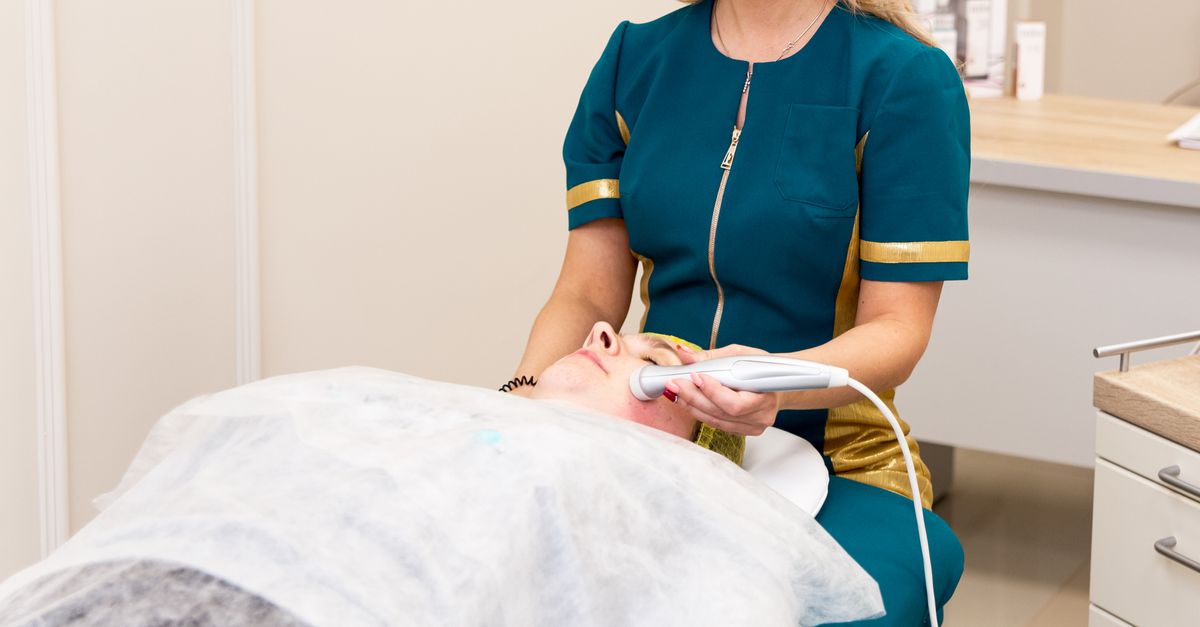
Latest Advances in Skin Rejuvenation Therapies for Youthful Skin
Non-invasive ultrasound therapy has gained recognition for its ability to stimulate collagen production while minimising discomfort and recovery time. This innovative approach employs high-frequency sound waves, which penetrate the skin’s surface a...
Read more →
How Chemical Peels Can Improve Acne Scarring
After undergoing a chemical peel, the skin requires careful attention during the recovery process. Patients may experience redness, swelling, and peeling as the skin begins to heal. It is essential to follow the aftercare instructions provided by the...
Read more →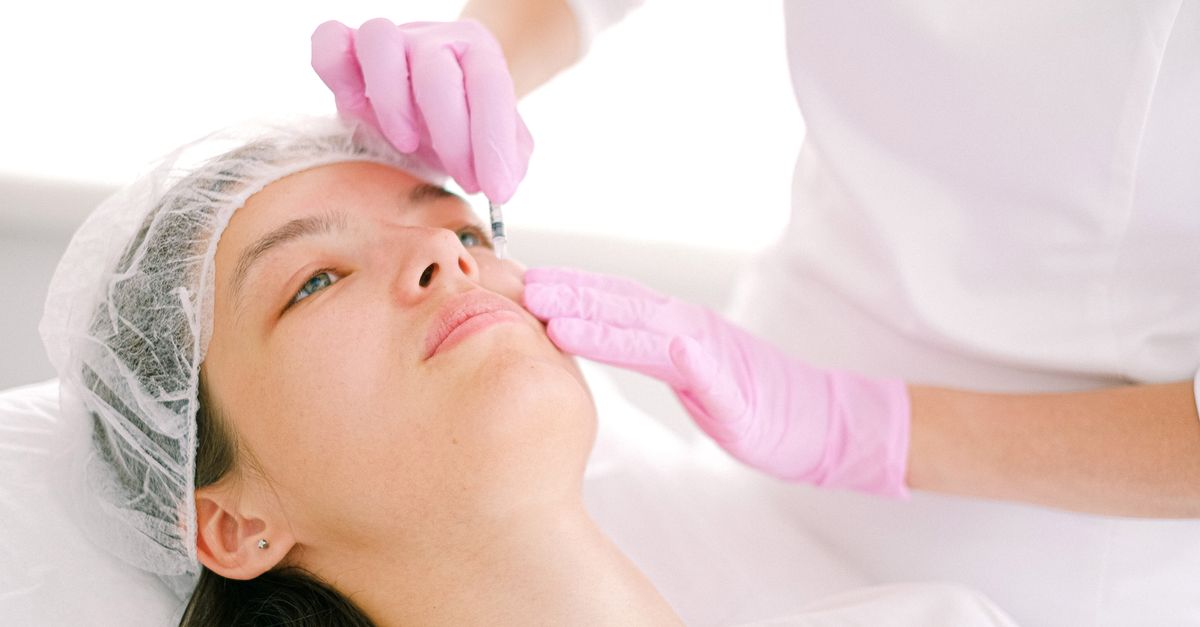
Post-Chemical Peel Care Tips for Optimal Recovery
After a chemical peel, it is essential to prioritise gentle cleansing to support skin recovery. Use a mild, non-abrasive cleanser free from fragrances and harsh chemicals. Ensure that the water temperature is lukewarm since extremes can irritate sens...
Read more →
The Science Behind Chemical Peels and Skin Renewal
Chemical peels, while generally safe, can carry potential risks and side effects that individuals should consider before undergoing treatment. Common reactions can include redness, swelling, and peeling skin as the body begins to heal and renew. Some...
Read more →
What to Expect During a Chemical Peel Session
During a chemical peel session, clients can expect to feel varying sensations depending on the type and strength of the peel being administered. Mild tingling or warmth is common and typically begins shortly after the solution is applied. Some may ex...
Read more →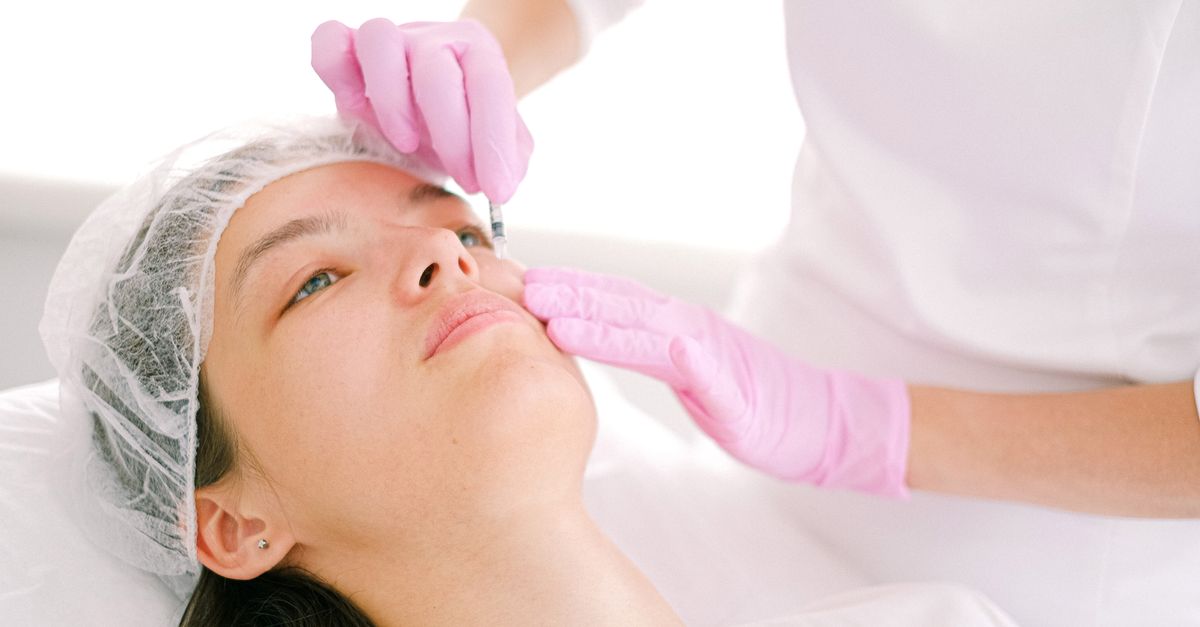
Choosing the Right Chemical Peel for Different Skin Types
Sensitive skin requires careful consideration when selecting chemical peels. These individuals often experience reactions to various skincare ingredients, making it essential to opt for gentler formulations. Peels containing milder acids such as lact...
Read more →
Understanding the Benefits of Chemical Peels for Your Skin
After undergoing a chemical peel, it is essential to follow specific care guidelines to ensure optimal healing and results. Keep the treated area clean by gently washing it with a mild cleanser. Avoid scrubbing or using exfoliating products for at le...
Read more →
Common Myths About Chemical Peels Debunked
Many people believe that chemical peels leave the skin in a vulnerable state, requiring an extensive recovery period. However, the reality varies depending on the type of peel chosen. Superficial peels often have minimal recovery time, allowing indiv...
Read more →
Laser Skin Resurfacing for Scarring: Success Stories and Insights
Before undergoing laser skin resurfacing, it is essential to schedule a consultation with a qualified dermatologist or cosmetic surgeon. This appointment allows for a thorough assessment of the skin type and the specific scarring concerns. During thi...
Read more →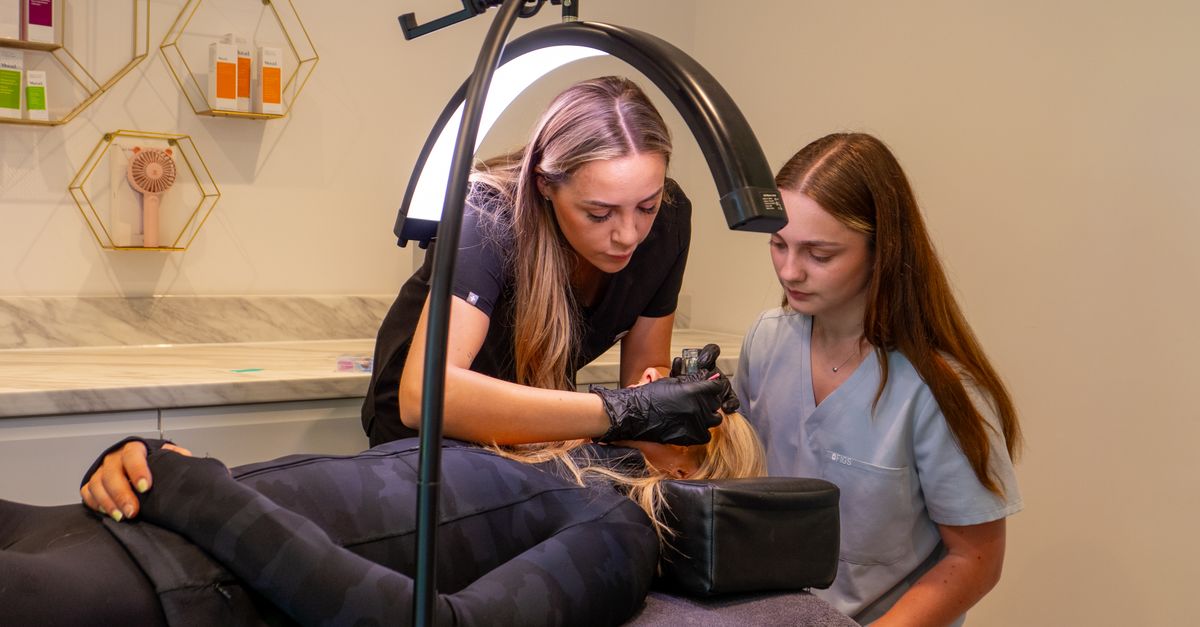
Frequently Asked Questions About Laser Skin Resurfacing
Recovery time after laser skin resurfacing can vary significantly based on the treatment depth and individual skin types. Generally, patients may experience redness, swelling, and peeling for several days to a week following the procedure, resembling...
Read more →
Finding the Right Skin Clinic for Laser Skin Resurfacing in Surfers Paradise
When considering a skin clinic for laser resurfacing, safety and hygiene should be at the top of your checklist. Ensure the clinic adheres to strict infection control measures. Clean and well-maintained facilities demonstrate a commitment to patient ...
Read more →
Long-Term Results of Laser Skin Resurfacing: What You Need to Know
Effective preparation for laser skin resurfacing is crucial to ensure optimal results and minimise complications. A few weeks prior to the procedure, it is recommended to avoid sun exposure. This helps to prevent pigmentation changes and enhances the...
Read more →
Cost Considerations for Laser Skin Resurfacing in Surfers Paradise
The size of the treatment area significantly influences the overall cost of laser skin resurfacing. Smaller areas, such as around the eyes or mouth, generally incur lower fees compared to more extensive treatments that cover larger sections of the fa...
Read more →
Comparing Ablative and Non-Ablative Laser Skin Resurfacing Techniques
Ablative laser resurfacing is known for its ability to deliver dramatic results by removing the outer layers of damaged skin. This technique targets deeper skin concerns, making it suitable for treating issues like severe acne scars, fine lines, and ...
Read more →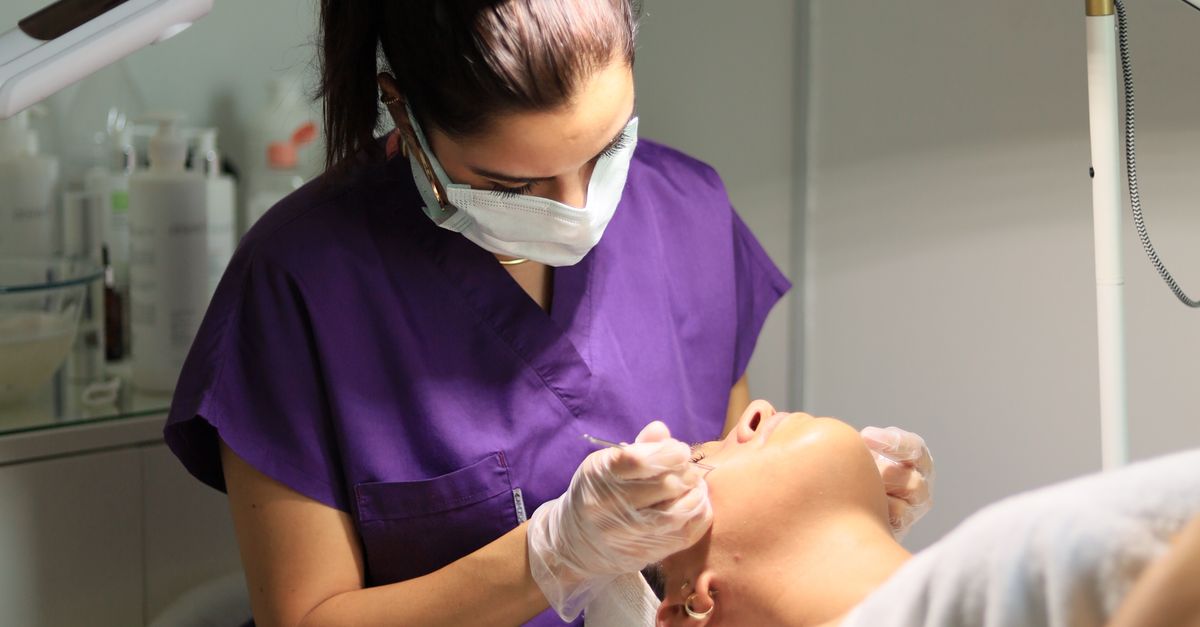
The Science Behind Laser Skin Resurfacing Explained
Before your laser skin resurfacing appointment, it's important to prepare your skin adequately. This may involve avoiding sun exposure for several weeks prior to the procedure. Applying a broad-spectrum sunscreen becomes essential to protect your ski...
Read more →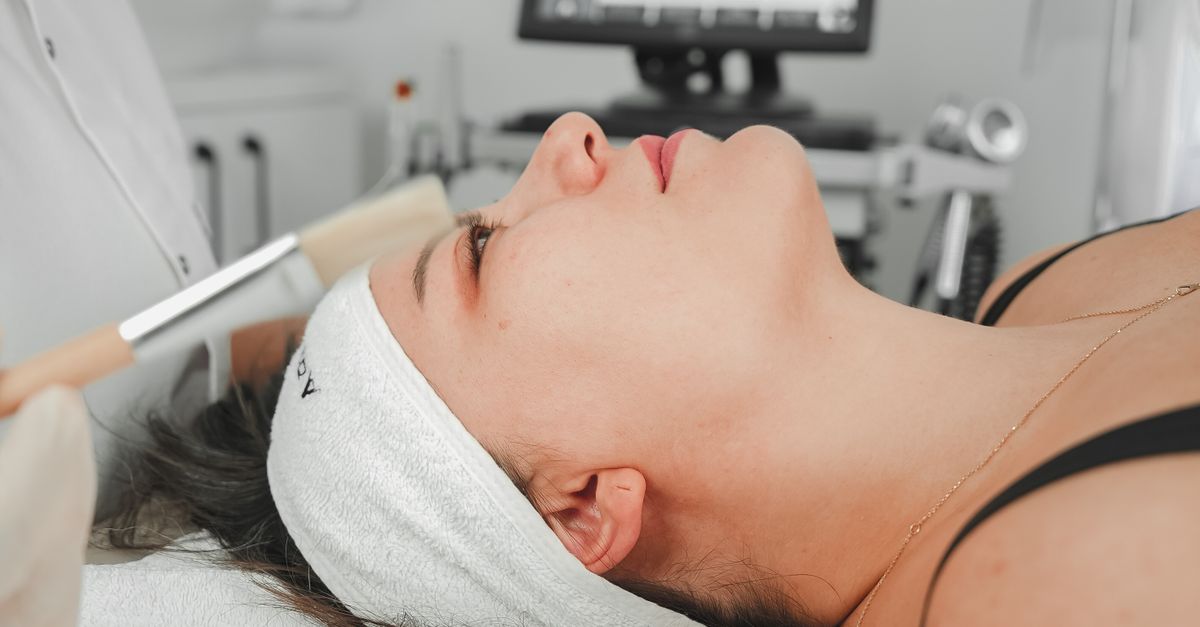
What to Expect During Your Laser Skin Resurfacing Treatment
Post-treatment care is crucial to ensure optimal healing and results. It is essential to keep the treated area clean and well-hydrated. Gentle cleansing with mild, non-irritating products is recommended. Applying a moisturiser can help alleviate dryn...
Read more →
How to Prepare for Your Laser Skin Resurfacing Appointment
Feeling anxious before a laser skin resurfacing appointment is entirely normal. Understanding the procedure can be beneficial in easing uncertainties. Researching what to expect during the treatment can provide clarity. Often, discussing concerns wit...
Read more →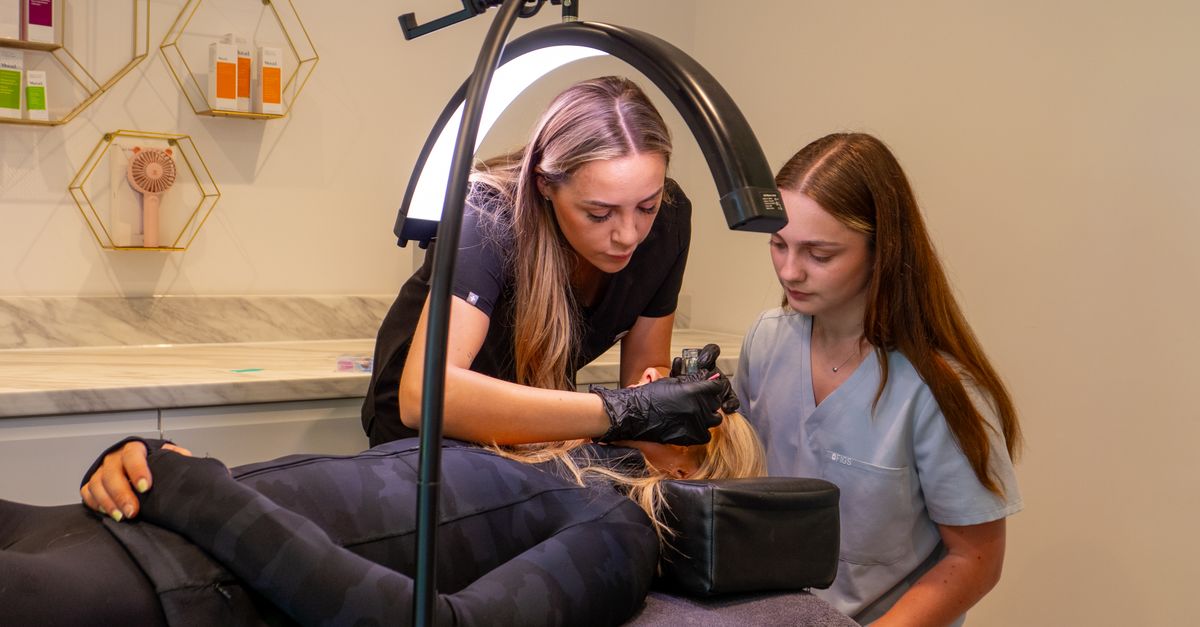
How Lifestyle Affects the Efficacy of Anti-Ageing Treatments
Regular physical activity contributes significantly to improved blood circulation, which is essential for maintaining healthy skin. Enhanced circulation facilitates the delivery of oxygen and essential nutrients to skin cells. This process aids in th...
Read more →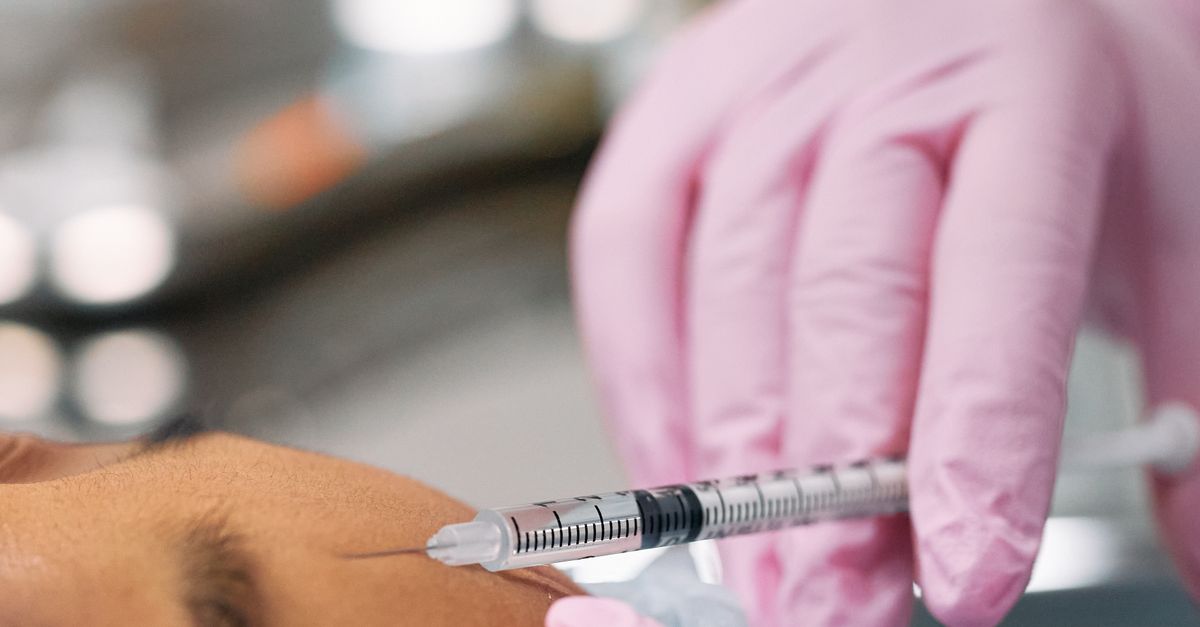
Anti-Ageing Treatments: What to Expect During Your Consultation
Understanding your skin type is a vital step in determining the most suitable anti-ageing treatments. This assessment involves evaluating various factors, including oiliness, dryness, sensitivity, and pigmentation. A trained professional can help ide...
Read more →
Understanding the Benefits of Laser Skin Resurfacing at Surfers Paradise Clinics
After undergoing laser skin resurfacing, patients should be aware of the importance of proper aftercare to ensure effective healing. Initial redness and swelling are common reactions and typically subside within a few days. It is crucial to keep the ...
Read more →
Natural Ingredients in Anti-Ageing Treatments You Should Know
Green tea extract has gained significant popularity in anti-ageing treatments due to its rich concentration of antioxidants. These antioxidants, particularly catechins, play a crucial role in combating free radicals. By neutralising these harmful mol...
Read more →
Combining Anti-Ageing Treatments for Optimal Results
Finding the right combination of treatments can dramatically influence the effectiveness of your anti-ageing routine. Every individual has unique skin characteristics, ages, and concerns. Tailoring your regimen requires considering factors such as sk...
Read more →
Innovative Anti-Ageing Treatments to Try in 2023
The intersection of brain health and skin vitality is an emerging frontier in the beauty industry. Nootropic supplements, commonly associated with cognitive enhancement, are now being recognised for their potential benefits to skin health. Ingredient...
Read more →
The Role of Hyaluronic Acid in Anti-Ageing Skincare
Integrating hyaluronic acid into your skincare routine can significantly enhance hydration levels. This powerful humectant works by attracting and retaining moisture, making it essential for maintaining plump and youthful skin. For optimal benefits, ...
Read more →
Top Non-Surgical Anti-Ageing Treatments Available
This innovative procedure utilises laser technology to improve the skin's texture and appearance. During the treatment, focused light is directed at the skin, removing damaged outer layers and stimulating collagen production. The result is a smoother...
Read more →
Understanding the Different Types of Anti-Ageing Treatments
Chemical peels are a popular cosmetic treatment designed to improve the appearance of the skin by removing the outer layers. Different types of peels, such as superficial, medium, and deep, vary in their intensity and effects. Superficial peels typic...
Read more →
How to Choose the Right Anti-Ageing Treatment for Your Skin Type
Embracing a lifestyle that promotes overall health can significantly contribute to youthful skin. Eating a balanced diet rich in antioxidants, vitamins and healthy fats helps combat skin damage caused by free radicals. Regular physical activity impro...
Read more →
The Benefits of Anti-Ageing Treatments for Mature Skin
The condition of the skin is significantly influenced by various lifestyle choices. Smoking is one of the most detrimental habits, as it reduces blood flow and nutrients to the skin. This causes premature wrinkles and a dull complexion. Excessive alc...
Read more →
Innovative Acne Treatments Available at Local Skin Clinics
Lifestyle choices play a significant role in skin health. Regular physical activity can enhance blood circulation, promoting nutrient delivery to the skin. Staying hydrated ensures skin retains moisture, mitigating dryness and enhancing its overall a...
Read more →
The Connection Between Stress and Acne Breakouts
Emotional well-being plays a significant role in overall skin health. When an individual experiences heightened stress, the body responds by producing excess hormones like cortisol. This hormonal imbalance can lead to increased oil production in the ...
Read more →
Clearer Skin: Success Stories from Surfers Paradise Residents
Surfers Paradise offers a range of professional skin treatments tailored to meet the needs of its residents. Many dermatologists and skincare clinics provide services like chemical peels, microdermabrasion, and laser therapy. These treatments aim to ...
Read more →
The Importance of Professional Acne Treatment Consultations
Regular follow-ups with a skincare professional play a vital role in managing acne effectively. These appointments provide an opportunity to assess treatment progress and identify any emerging challenges that may hinder results. Adapting a treatment ...
Read more →
Comparing Over-the-Counter vs Prescription Acne Medications
Common side effects associated with over-the-counter (OTC) acne medications can vary depending on the active ingredients. Products containing benzoyl peroxide may cause dryness, redness, and peeling of the skin. Salicylic acid, popular for its exfoli...
Read more →
Effective Home Remedies for Mild Acne in Surfers Paradise
Adjusting dietary habits can significantly impact skin health. Incorporating plenty of fruits and vegetables provides essential vitamins and antioxidants that support cellular repair and skin clarity. Foods rich in omega-3 fatty acids, such as salmon...
Read more →
The Best Acne Treatment Options Available Near the Coast
Making small adjustments to daily habits can significantly enhance skin health. Regular physical activity promotes circulation, delivering oxygen and nutrients to skin cells while aiding in the removal of toxins. Staying hydrated is equally important...
Read more →
The Role of Diet in Acne Development and Treatment
Omega-3 fatty acids are essential fats that the body cannot produce on its own, making dietary intake crucial for overall health. These fatty acids have been linked to various benefits, including anti-inflammatory properties that may help alleviate s...
Read more →
Understanding the Causes of Acne in Surfers Paradise
Surfers often rely on various personal care products to maintain their skin amidst exposure to sun, saltwater, and chlorine. Some ingredients in these products can either exacerbate or alleviate acne symptoms. Heavy moisturisers and comedogenic subst...
Read more →
How to Choose the Right Acne Treatment for Your Skin Type
Many individuals seek natural remedies to address acne due to their holistic approach and minimal side effects. Ingredients like tea tree oil, honey, and aloe vera have gained popularity for their anti-inflammatory and antibacterial properties. Tea t...
Read more →